
Product Categories
Filter by price
In stock
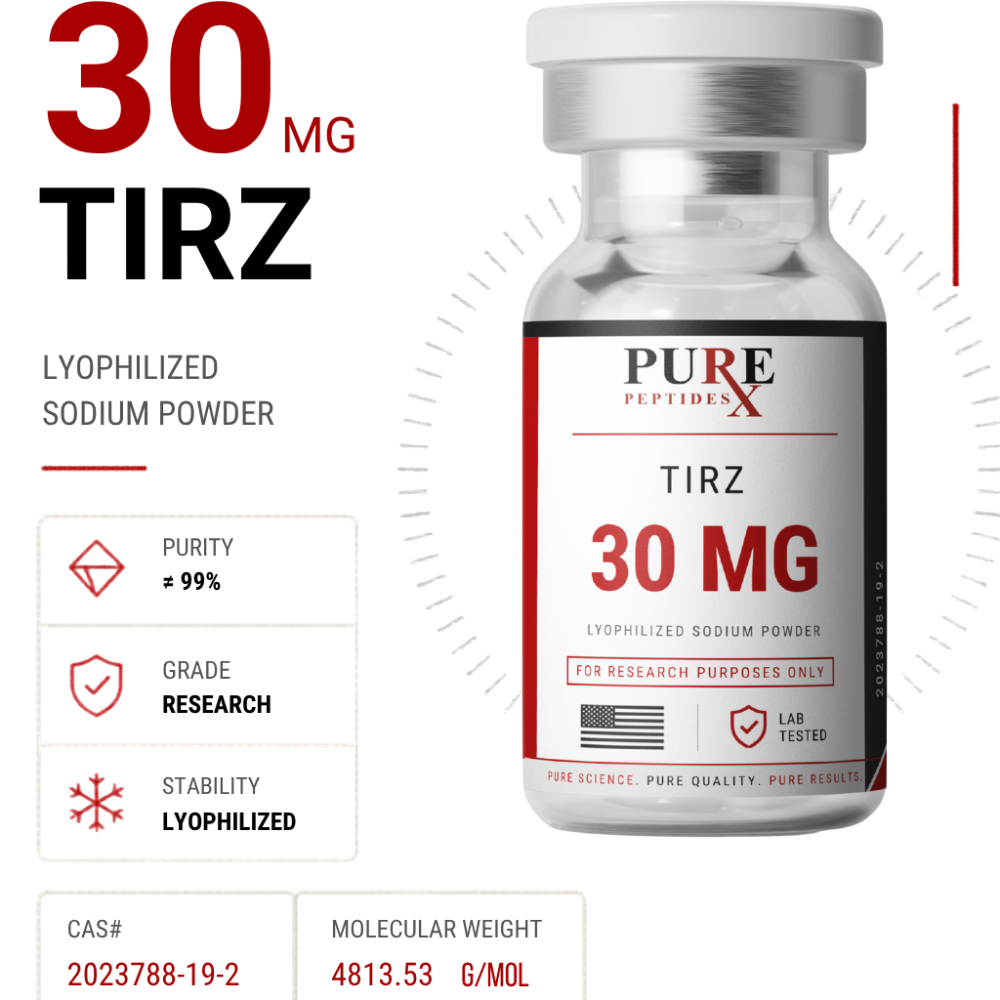
Tirz 30mg
$105.00In stock
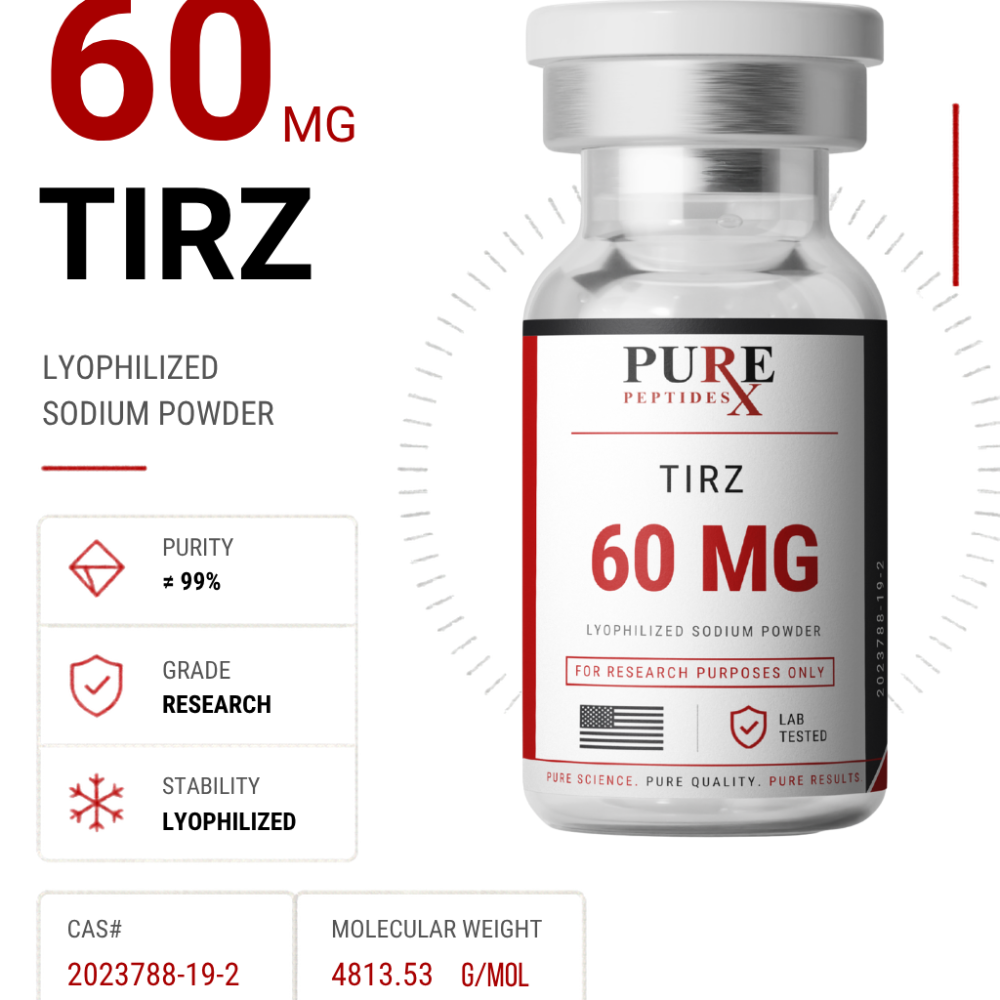
Tirz 60mg
$145.00Tirzepatide is a dual incretin research compound studied in GLP-1 and GIP receptor pathway models.
It is frequently positioned in metabolic research involving appetite signaling, glucose response, and energy-balance regulation. Modern, high-interest, and built around dual-pathway metabolic science.
Two incretin pathways. One refined metabolic research profile.
In stock

GHK-Cu (Copper Peptide)
$18.00GHK-Cu is a copper peptide studied across skin, tissue, collagen, and regenerative pathway research.
Its copper-binding profile makes it useful in models focused on extracellular matrix behavior, cellular remodeling, and repair-associated signaling. Premium, versatile, and deeply connected to structural biology.
Where peptide research meets restoration, structure, and signal.
In stock
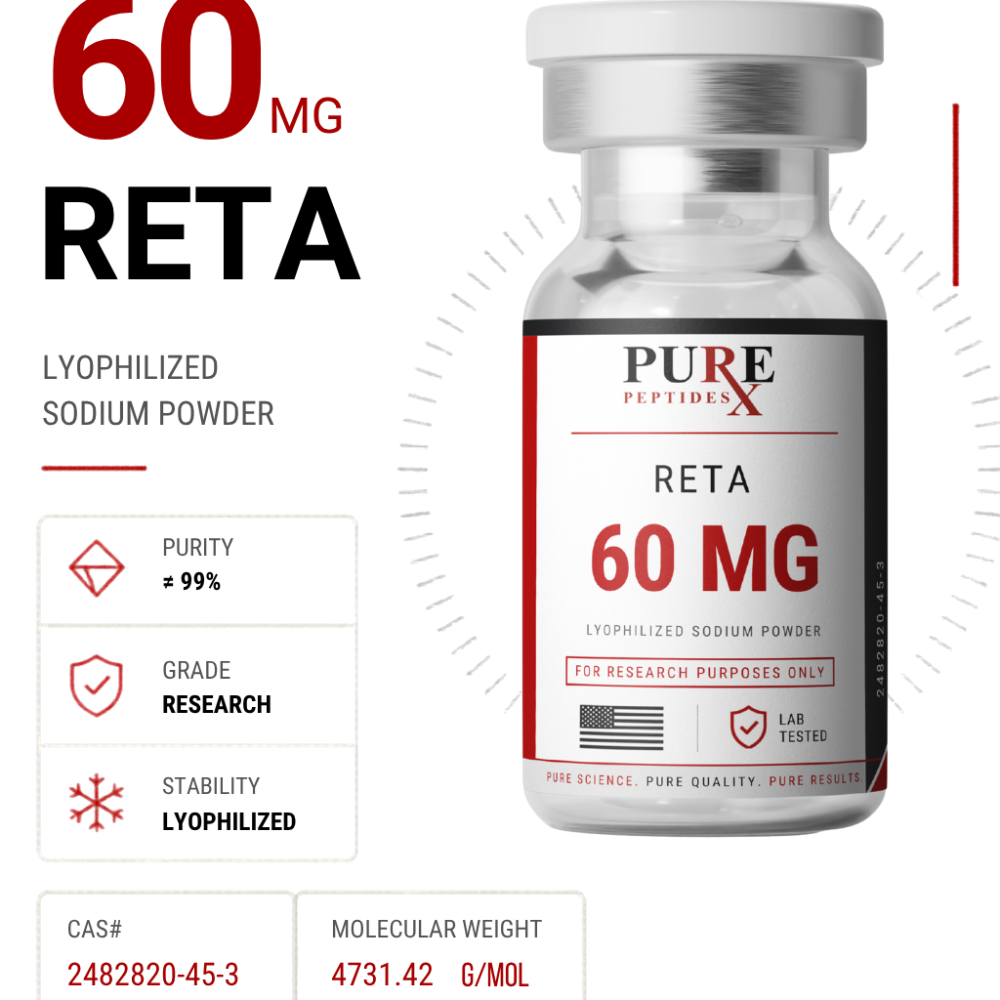
Reta 60mg
In stock
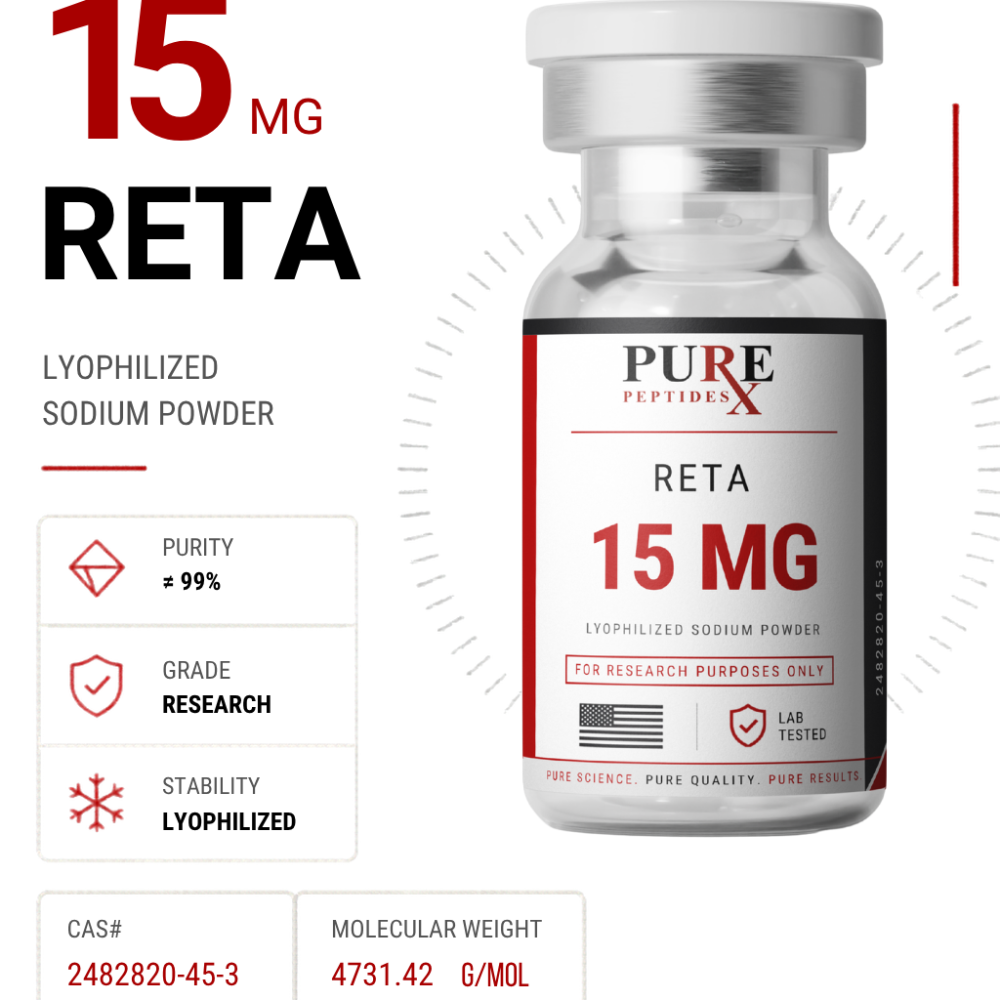
Reta 15mg
$99.00In stock
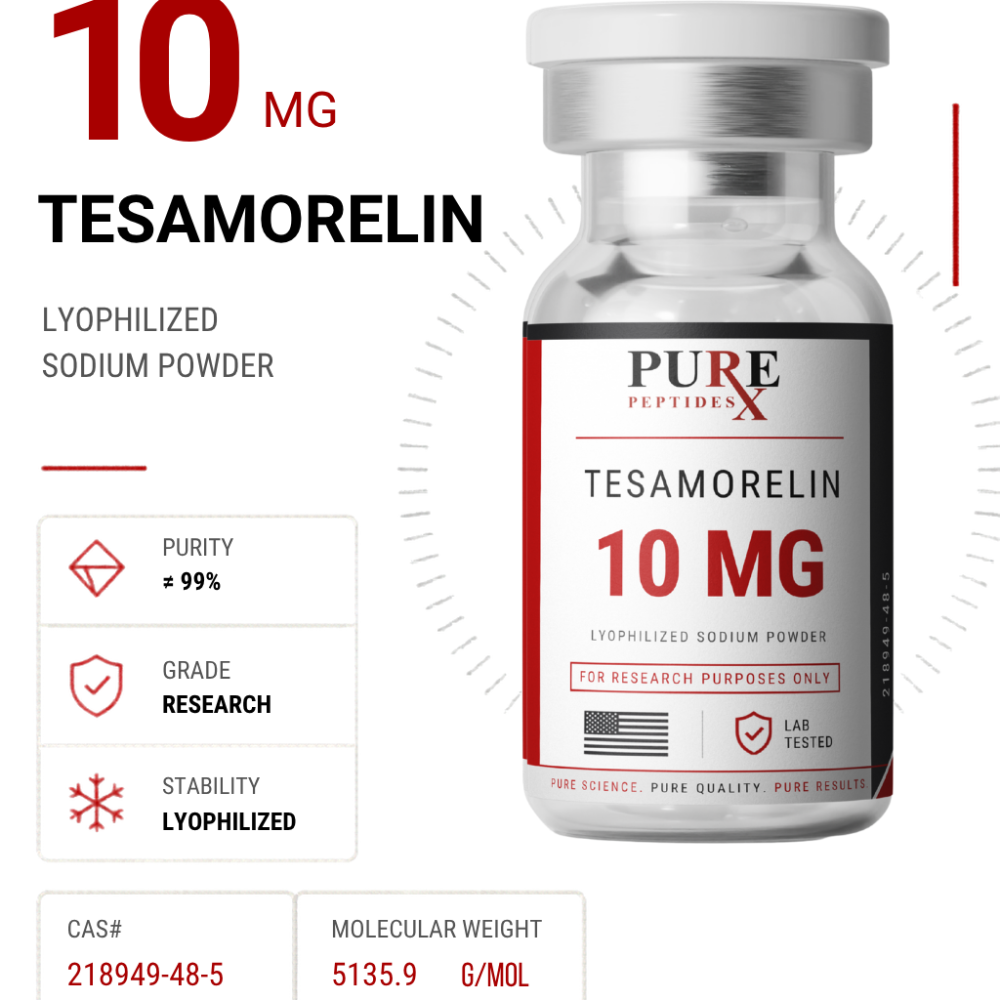
Tesamorelin 10mg
$61.00Tesamorelin is a growth hormone releasing hormone analog studied in GH-axis research, metabolic pathway models, and endocrine signaling.
Researchers often examine it in studies focused on release dynamics, body-composition-related pathways, and hormone-regulated metabolic behavior. Refined, direct, and rooted in endocrine science.
Growth pathway research with metabolic precision.
In stock

CJC-1295 & Ipamorelin Blend 5mg
$31.00CJC-1295 & Ipamorelin Blend is a dual-compound research blend designed around growth hormone pathway signaling and secretagogue-response models.
The pairing gives researchers a way to examine coordinated pathway behavior, receptor selectivity, and release-pattern dynamics in controlled settings. Balanced, strategic, and built for comparison-driven study design.
Two complementary signals. One focused research framework.
In stock

BPC-157 10mg
$23.00BPC-157 is one of the most recognized peptides in tissue repair research, often studied in models involving tendon, ligament, gut, and structural recovery pathways.
Its reputation comes from how frequently it appears in experiments centered on resilience, cellular restoration, and localized response mechanisms. Strong, direct, and built around repair-focused research.
Recovery science, distilled into a focused research compound.
In stock
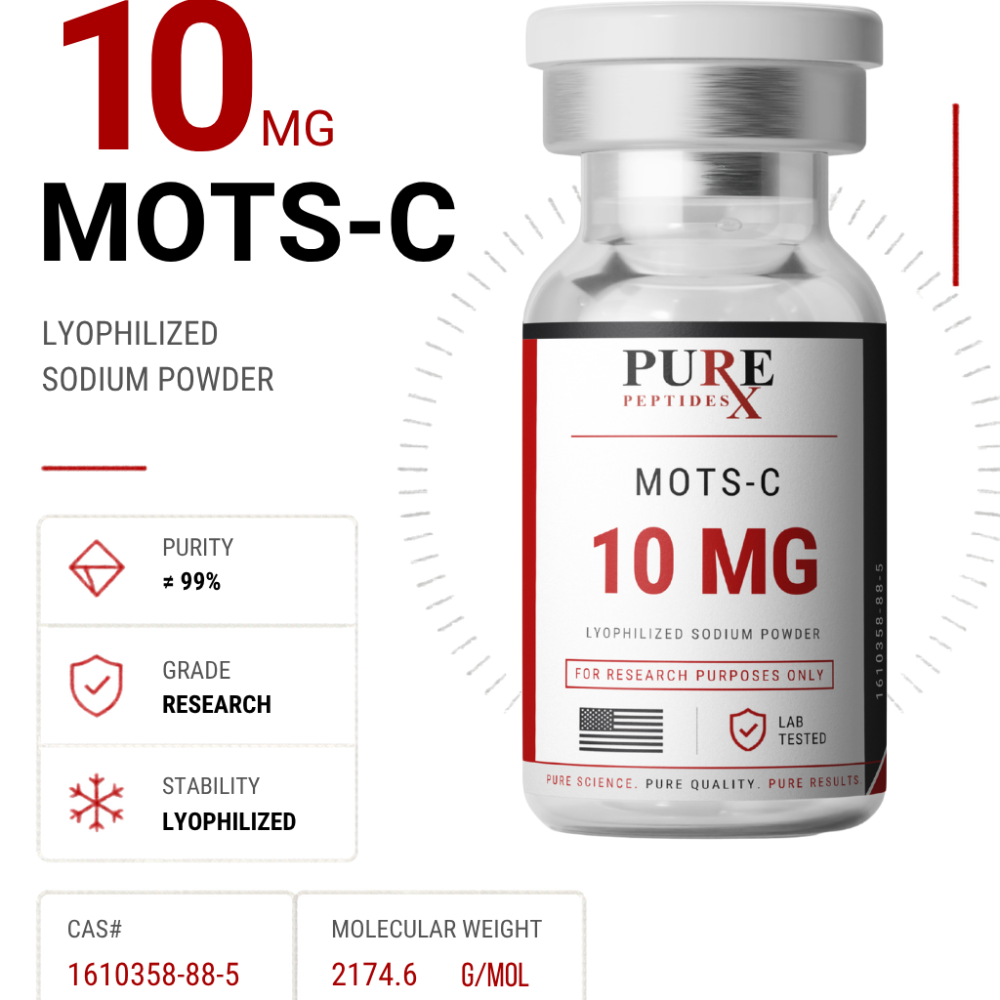
MOTS-C 10mg
$28.00MOTS-c is a mitochondrial-derived peptide studied in cellular energy regulation, metabolic adaptation, and mitochondrial communication research.
It appears in models examining how cells respond to stress, energy demand, and shifting metabolic conditions. Modern, intelligent, and rooted in cellular performance science.
Energy research, redefined at the mitochondrial level.
In stock
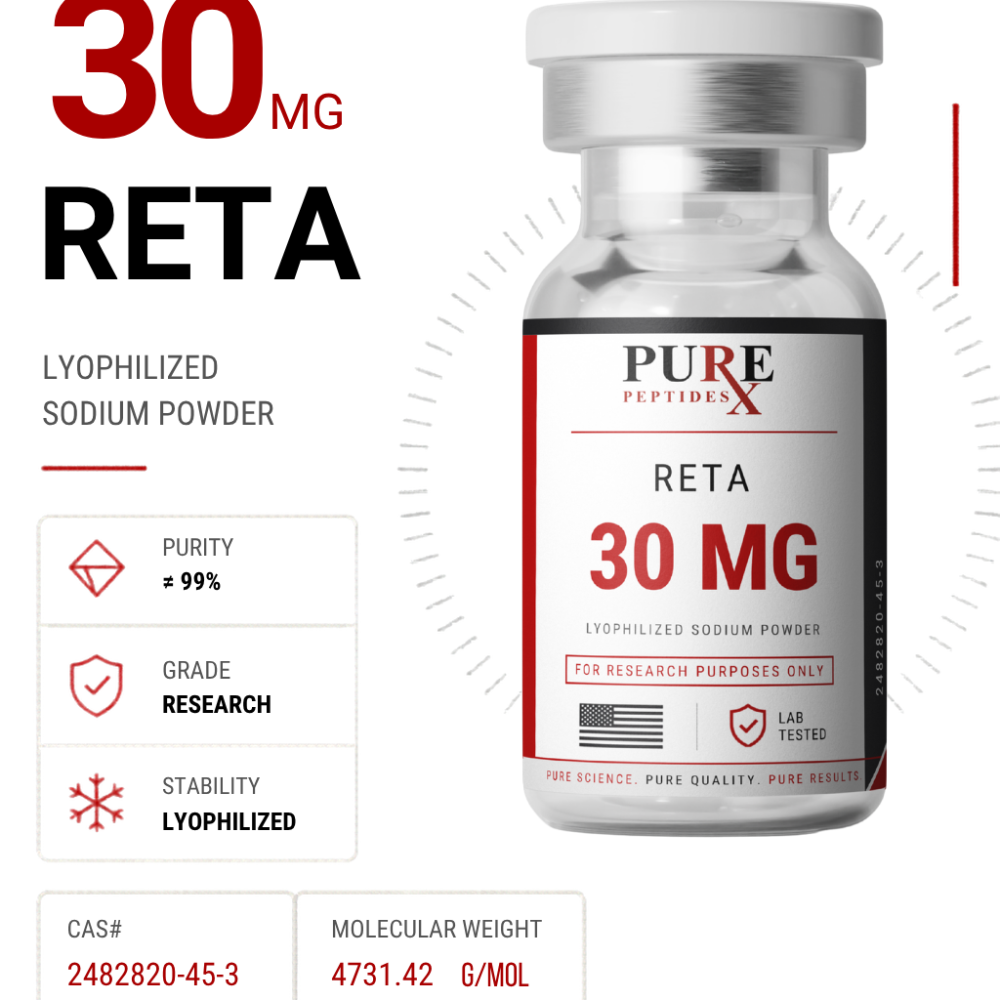
Reta 30mg
$185.00Retatrutide is a next-generation metabolic research compound studied across GLP-1, GIP, and glucagon receptor pathway models.
Its triple-pathway profile makes it a standout in research focused on appetite signaling, energy balance, glucose regulation, and metabolic adaptation. Advanced metabolic research with a wider lens.
Three pathways. One high-impact research framework.
Out of stock

AOD-9604 10mg
$28.00In stock

Wolverine Stack 10mg/10mg
$75.00Wolverine Stack combines BPC-157 and TB-500 into a research blend centered on tissue repair, recovery pathways, and structural remodeling models.
It is positioned for labs comparing complementary repair mechanisms—localized cellular response from BPC-157 and migration/remodeling pathways associated with TB-500. Strong, memorable, and recovery-focused.
A repair research stack with a name built to be remembered.
In stock

KLOW 80MG
$90.00KLOW is a research blend positioned for metabolic pathway studies involving weight-management signaling, appetite models, and energy regulation.
It is built for controlled research environments where multiple pathway angles are evaluated together rather than in isolation. Sharp, modern, and designed for advanced metabolic comparison.
Multi-pathway metabolic research with a performance-driven edge.
In stock
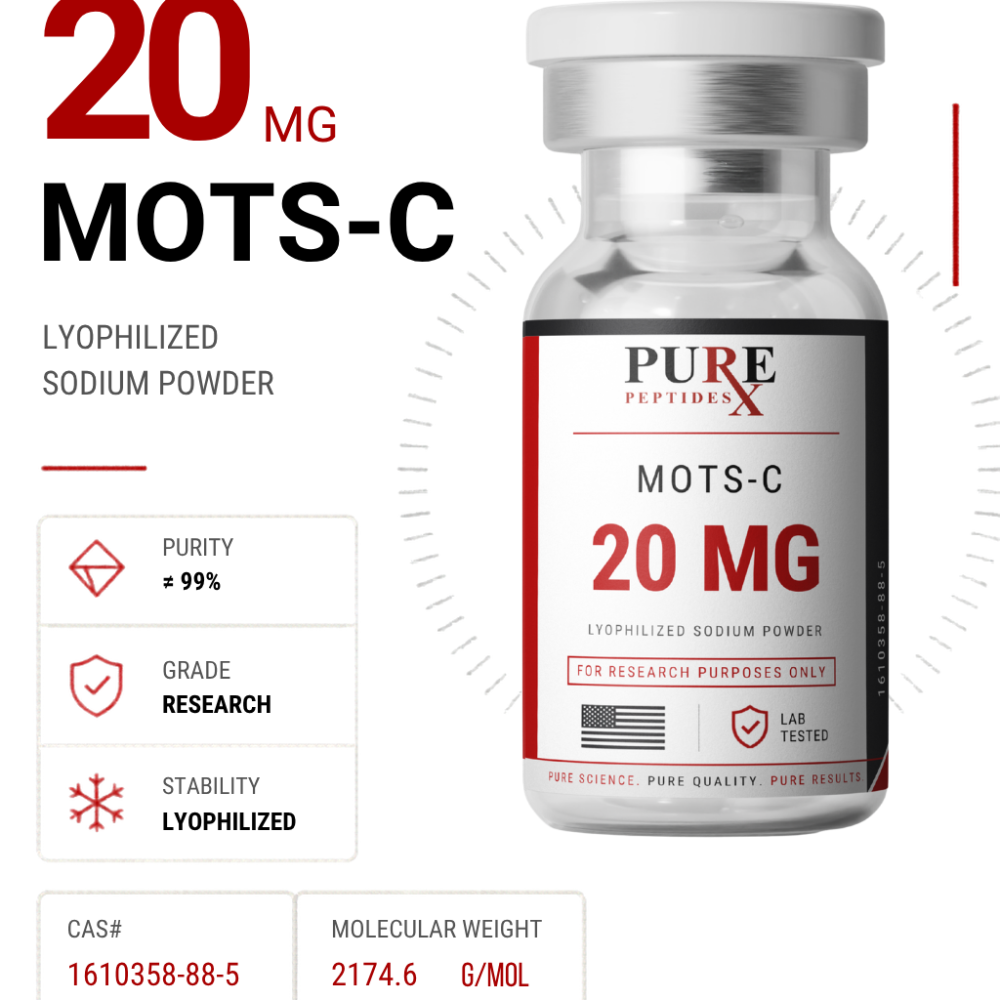
MOTS-C 20mg
$62.00MOTS-c is a mitochondrial-derived peptide studied in cellular energy regulation, metabolic adaptation, and mitochondrial communication research.
It appears in models examining how cells respond to stress, energy demand, and shifting metabolic conditions. Modern, intelligent, and rooted in cellular performance science.
Energy research, redefined at the mitochondrial level.
In stock
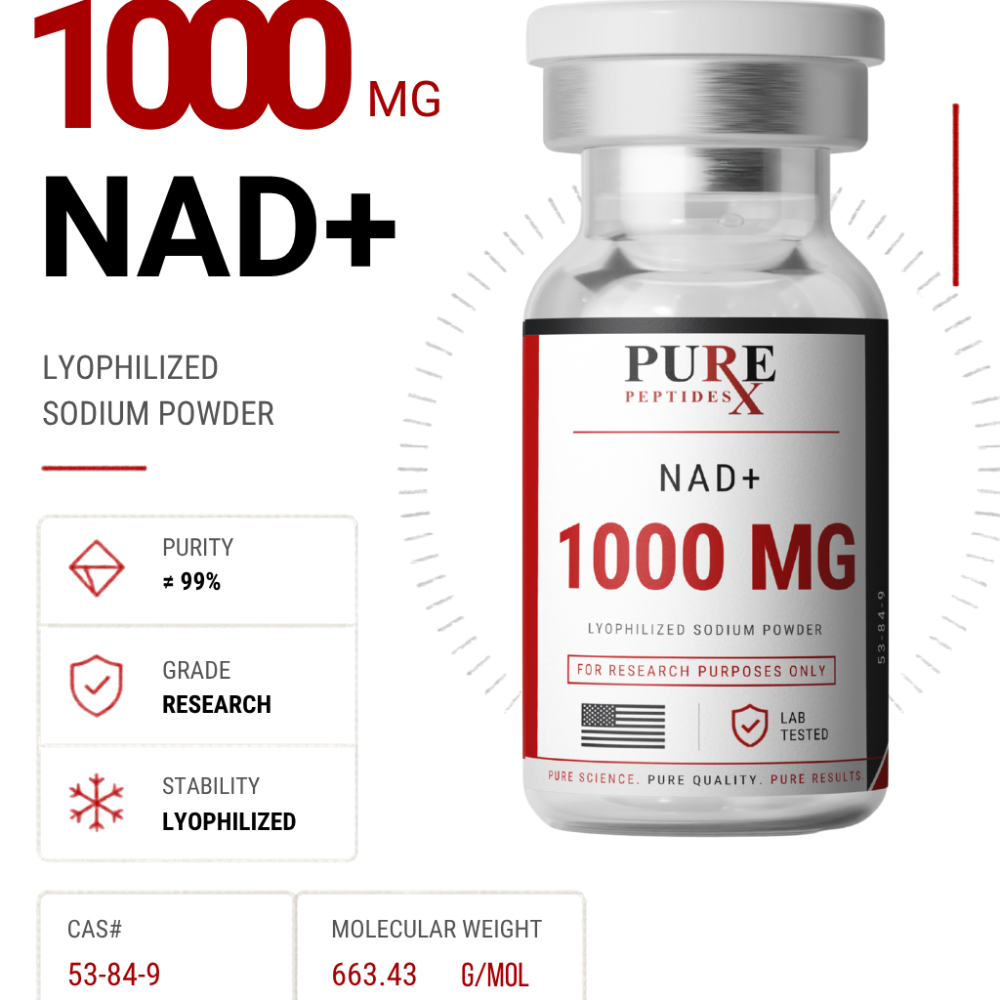
NAD+ 1000mg
$80.00NAD+ is a core coenzyme studied in cellular energy, redox balance, DNA repair signaling, and longevity-related pathway research.
It is foundational in models examining mitochondrial function, metabolic efficiency, and age-associated cellular decline. Clean, essential, and central to cellular performance research.
The currency of cellular energy research.
In stock
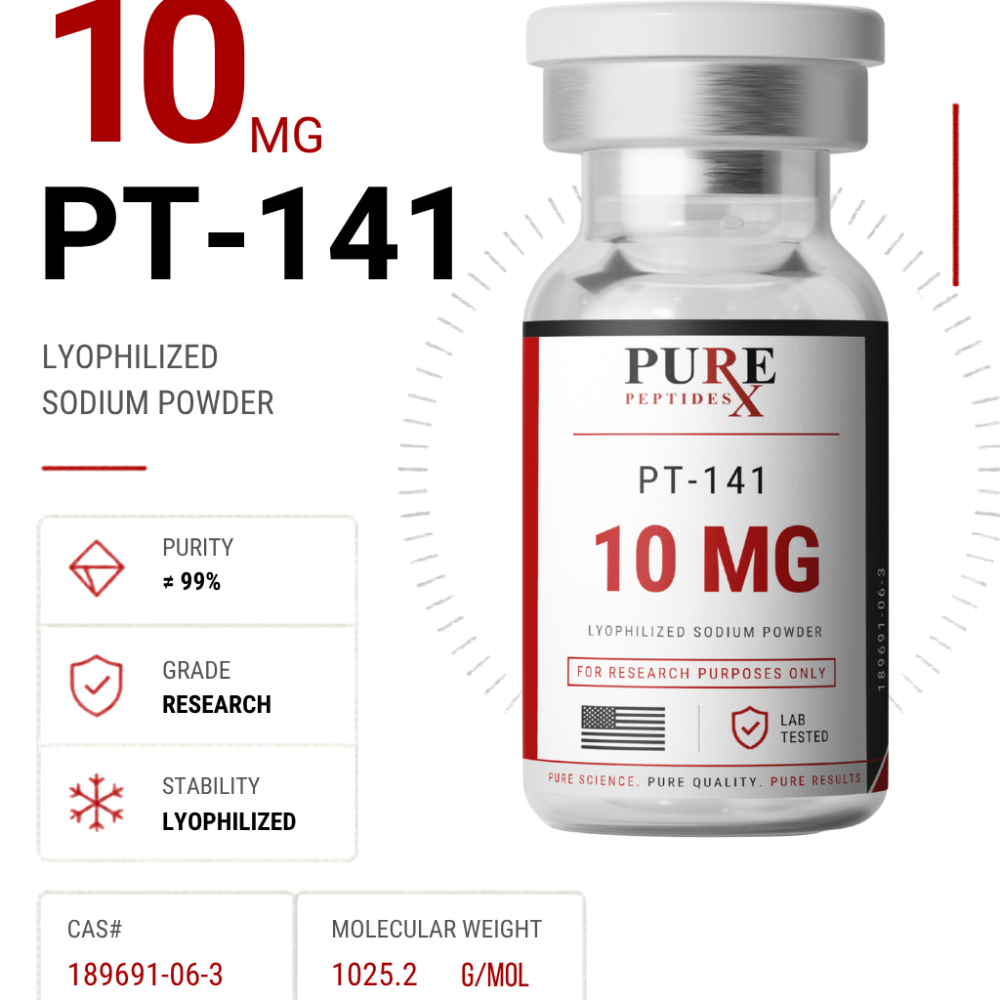
PT-141 10mg
$18.00PT-141 is a melanocortin receptor peptide studied in neuroendocrine signaling, receptor activation, and behavioral pathway research.
It is often included in models examining central pathway activity and melanocortin-related response patterns. Distinctive, targeted, and highly recognizable in receptor research.
Neuroendocrine pathway research with a bold receptor profile.
In stock
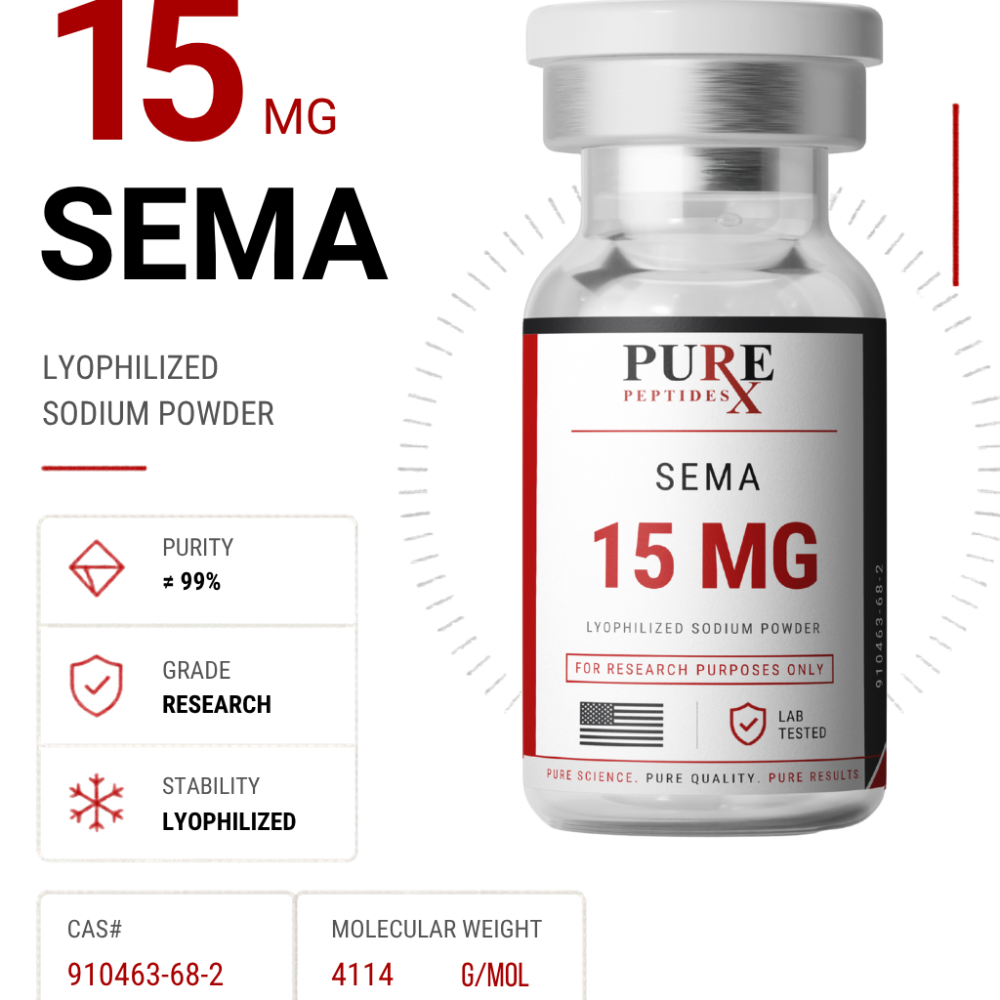
Sema 15mg
$65.00Semaglutide is a GLP-1 receptor research compound studied in metabolic signaling, appetite-regulation models, and glucose-related pathway behavior.
Its strong research presence comes from studies exploring satiety response, energy intake pathways, and incretin-based metabolic activity. Recognized, focused, and built for modern metabolic research.
GLP-1 pathway research with a proven scientific footprint.
In stock
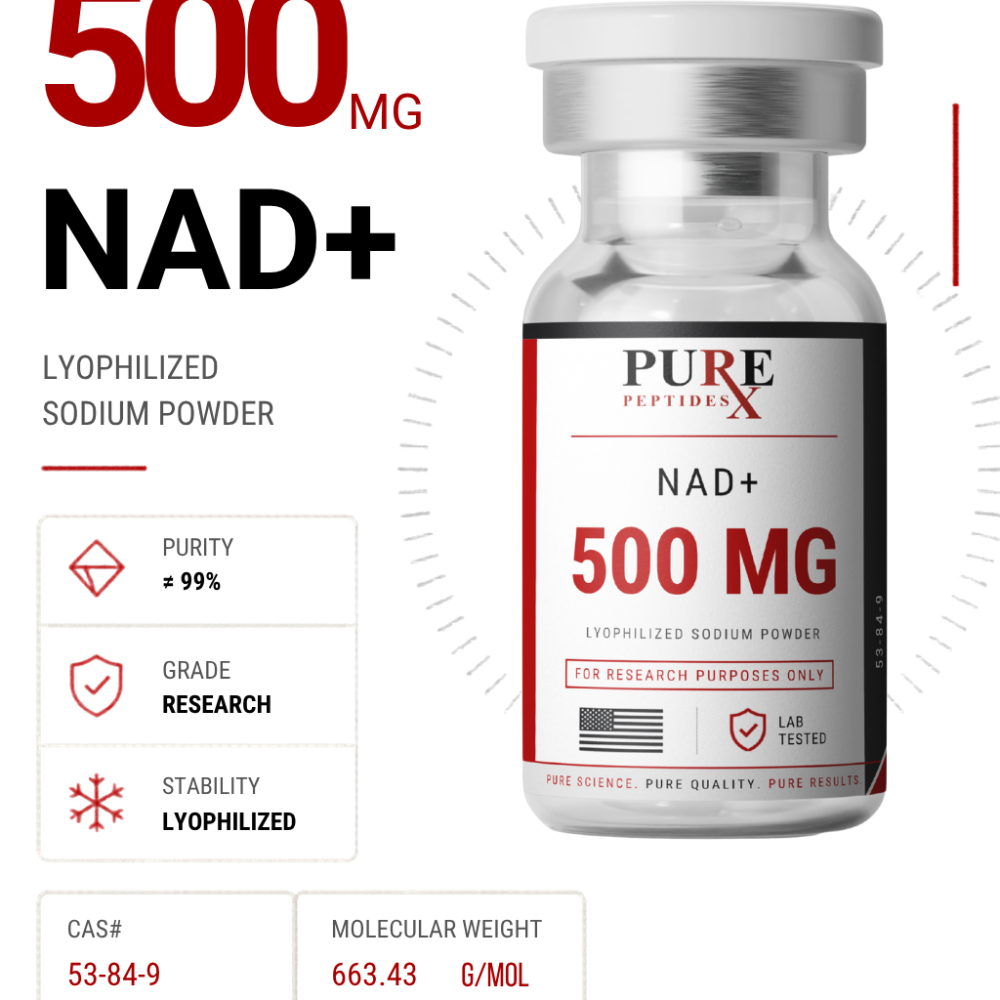
NAD+ 500mg
$45.00NAD+ is a core coenzyme studied in cellular energy, redox balance, DNA repair signaling, and longevity-related pathway research.
It is foundational in models examining mitochondrial function, metabolic efficiency, and age-associated cellular decline. Clean, essential, and central to cellular performance research.
The currency of cellular energy research.
In stock
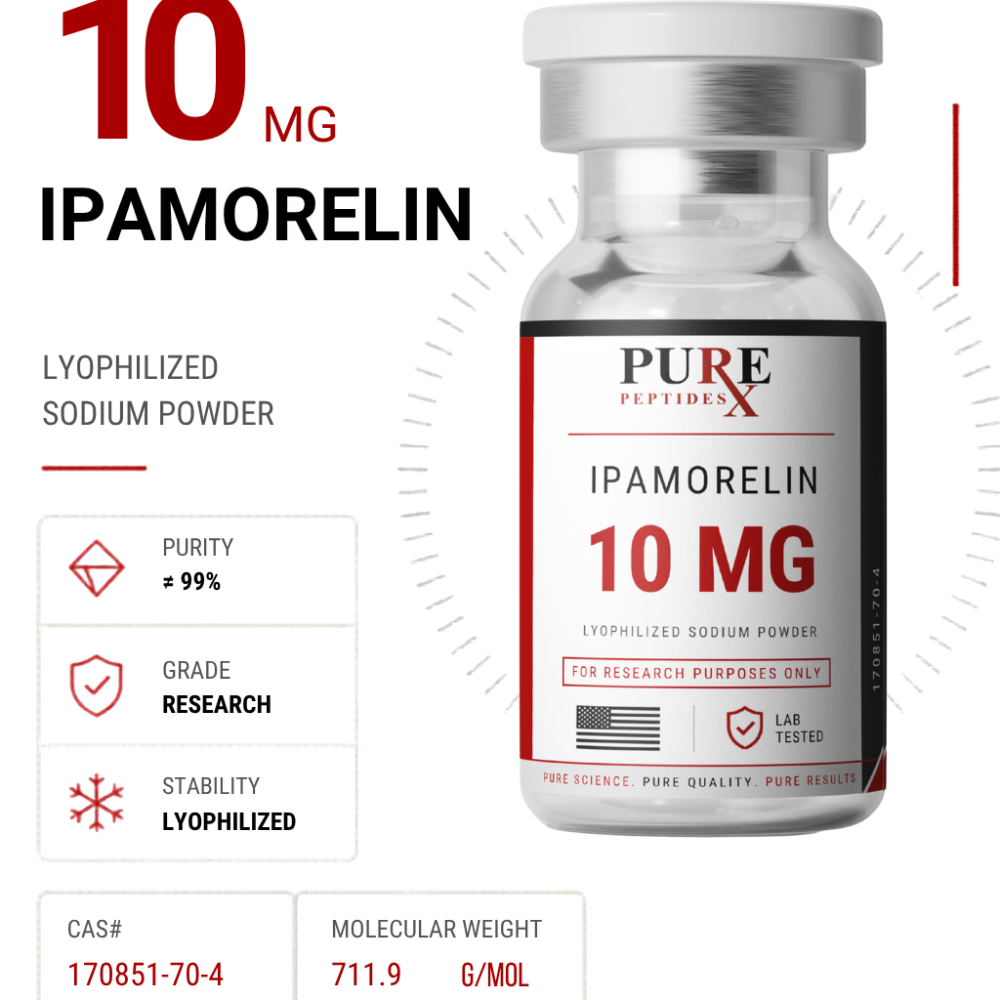
Ipamorelin 10mg
$21.00Ipamorelin is a selective growth hormone secretagogue peptide studied for targeted receptor activity and controlled release signaling.
Researchers often use it in models where selectivity, cleaner pathway behavior, and GH-axis response are key variables. Smooth, precise, and built for refined secretagogue research.
Selective signaling with a clean research profile.
In stock
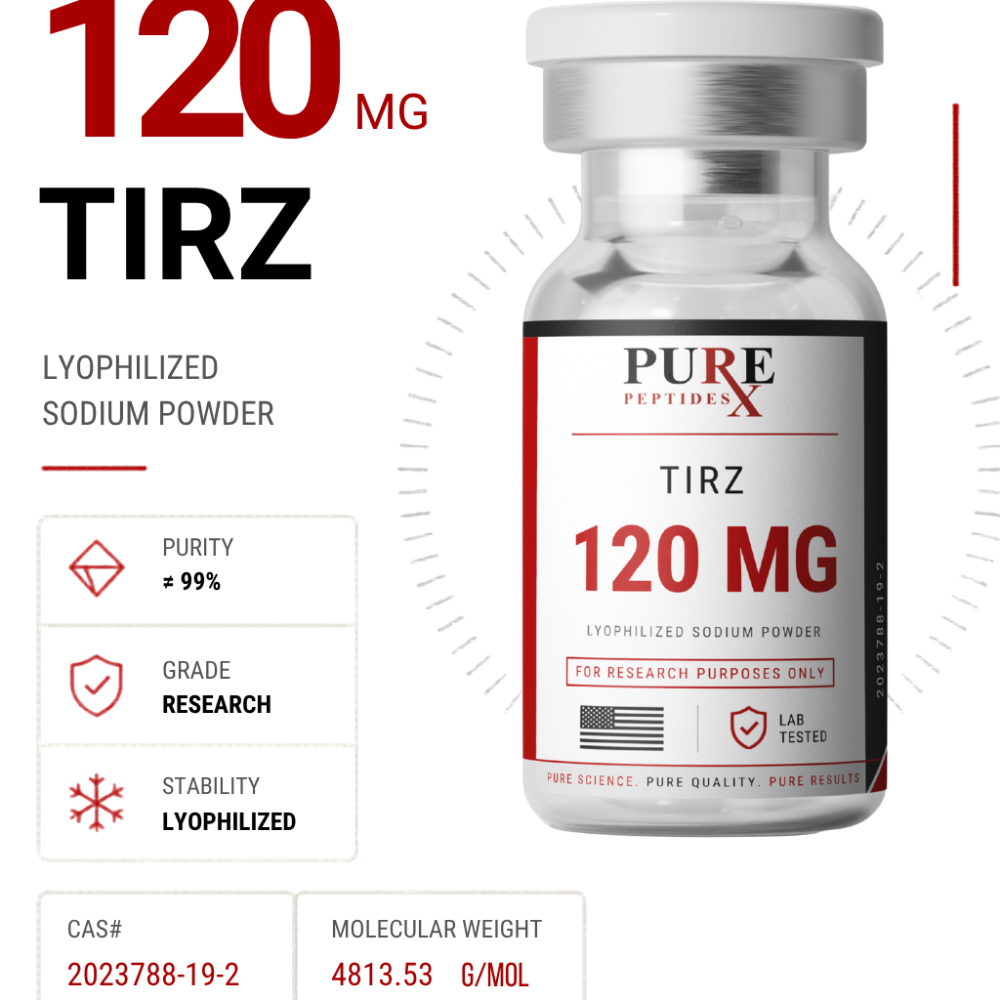
Tirz 120mg
$240.00In stock
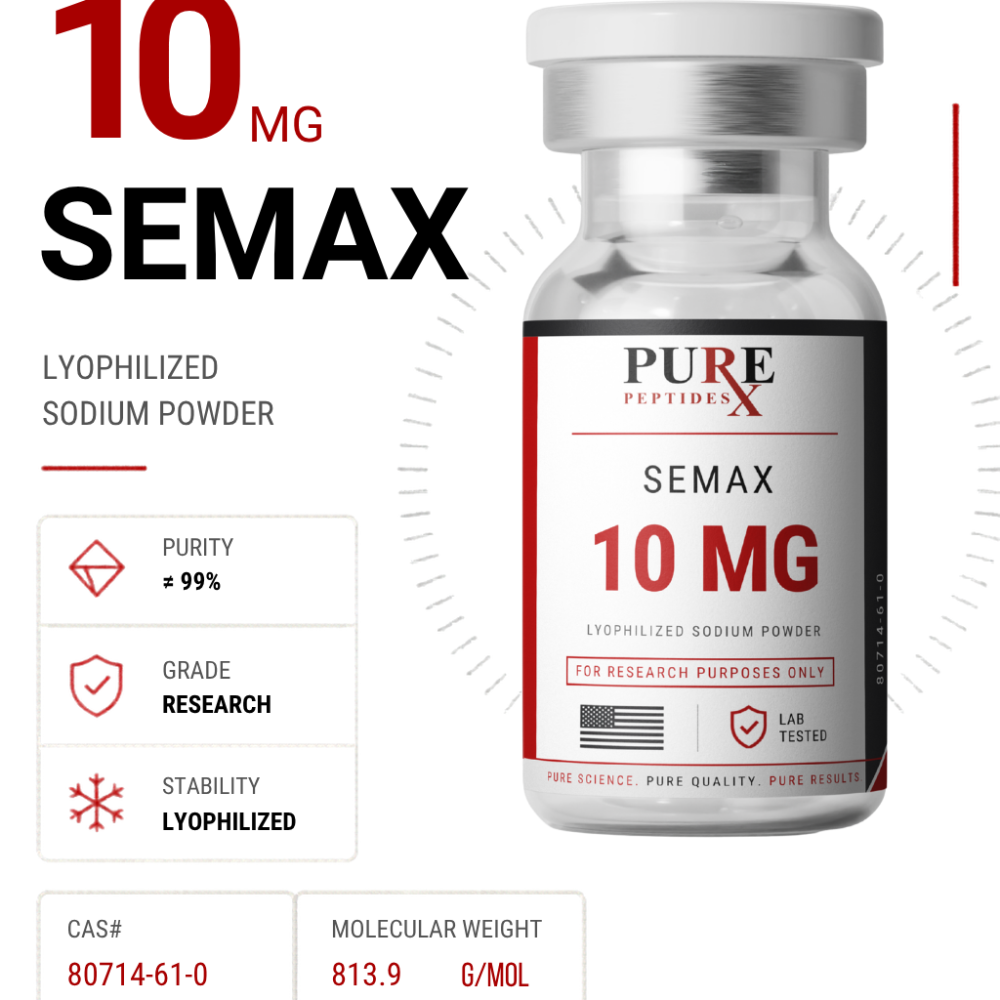
Semax 10mg
$18.00Semax is a neuropeptide studied in cognitive signaling, focus-related pathway models, and neuroprotective research environments.
It is often used in studies involving brain-derived signaling, stress response, and attention-related cellular communication. Clean, sharp, and designed for cognition-focused investigation.
Precision neuro research for clarity, signaling, and focus.
In stock
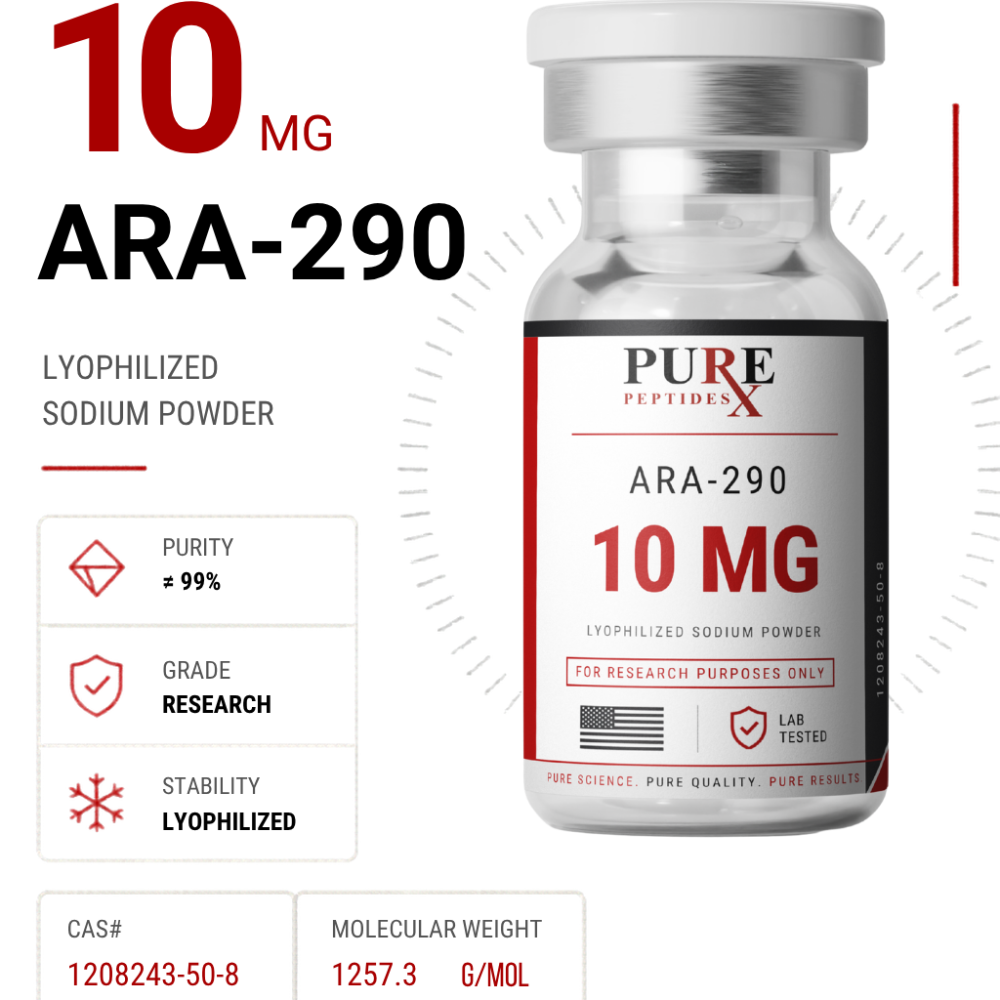
ARA-290 10mg
$30.00ARA-290 brings a refined profile to research focused on tissue-protective signaling, inflammatory response pathways, and erythropoietin-receptor-related mechanisms.
It is often positioned in laboratory models where cellular stress response, nerve-related signaling, and recovery pathway behavior are the central questions. Sophisticated, focused, and highly specialized.
Designed for deeper insight into protection and repair signaling.
In stock

Glutathione 1500mg
$42.00Glutathione is a master antioxidant research compound studied in oxidative stress, detoxification, and cellular defense models.
It is frequently used in studies examining redox balance, cellular protection, and how biological systems respond to environmental stressors. Foundational, clean, and essential to oxidative pathway research.
Cellular defense research, elevated.
In stock
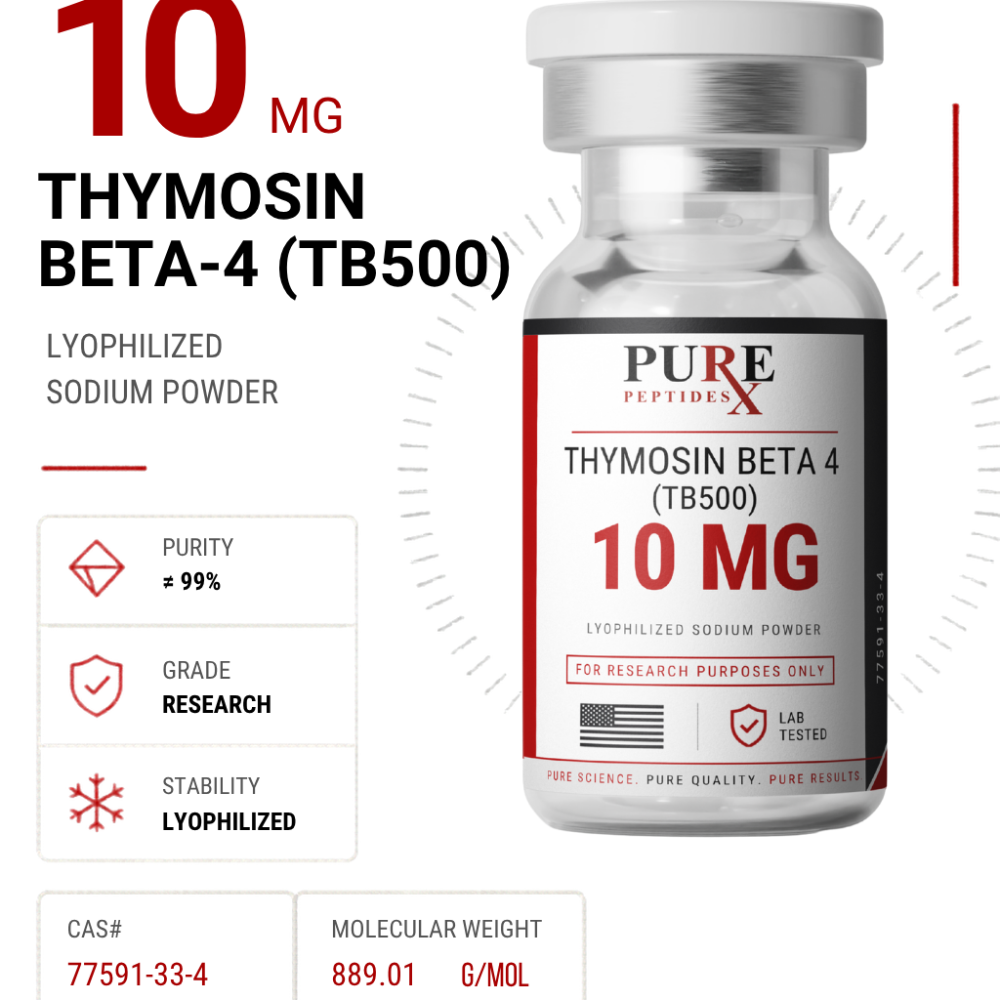
TB-500 (TB-4) 10mg
$45.00TB-500 (TB-4) is a tissue repair research peptide studied in actin regulation, cell migration, and recovery-pathway models.
Its role in structural repair research makes it a strong companion in studies involving mobility, cellular movement, and tissue remodeling. Dynamic, repair-centered, and widely recognized.
Movement, structure, and repair pathway research in one profile.
In stock
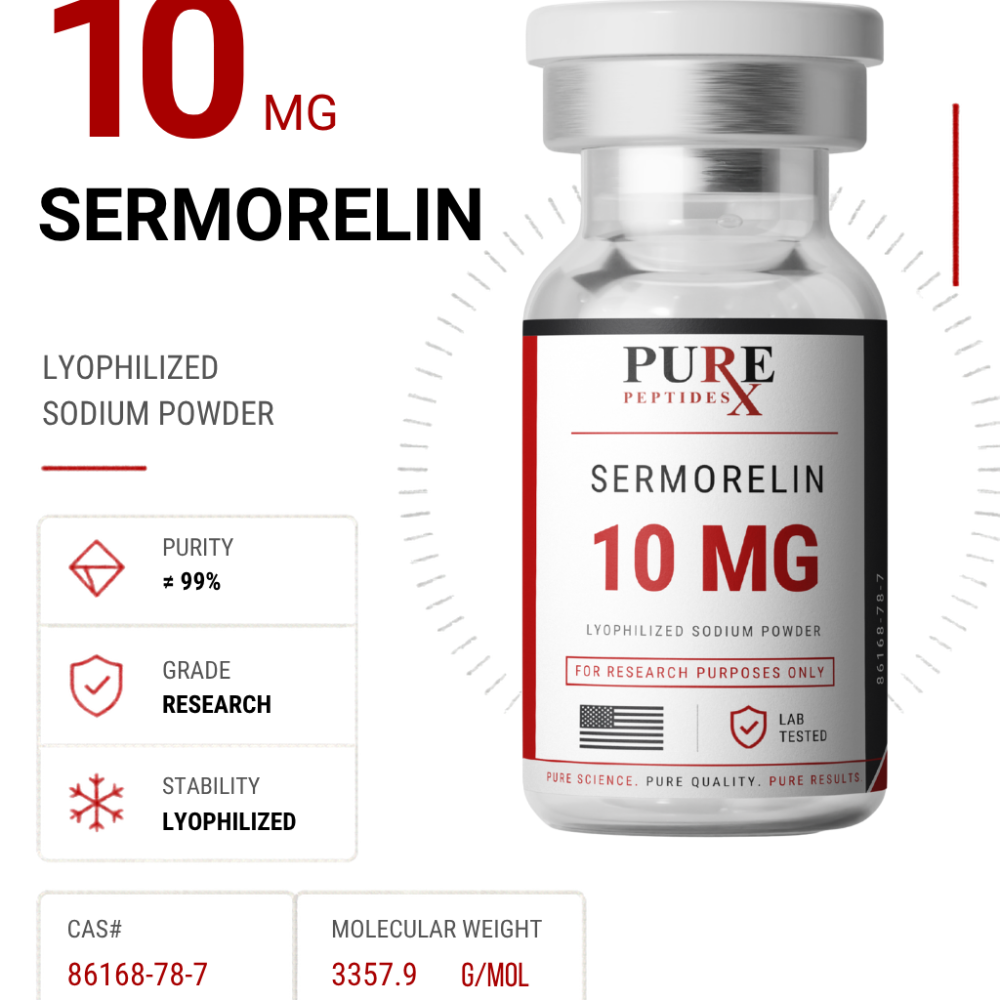
Sermorelin 10mg
$36.00Sermorelin is a growth hormone releasing hormone analog studied in GH-axis signaling, pituitary response, and endocrine pathway research.
Its research value lies in how it supports investigation into natural release patterns, receptor response, and hormonal communication. Classic, controlled, and foundational to growth pathway studies.
Endocrine research built around controlled release signaling.
In stock

BPC-157 20mg
$51.00BPC-157 is one of the most recognized peptides in tissue repair research, often studied in models involving tendon, ligament, gut, and structural recovery pathways.
Its reputation comes from how frequently it appears in experiments centered on resilience, cellular restoration, and localized response mechanisms. Strong, direct, and built around repair-focused research.
Recovery science, distilled into a focused research compound.
In stock
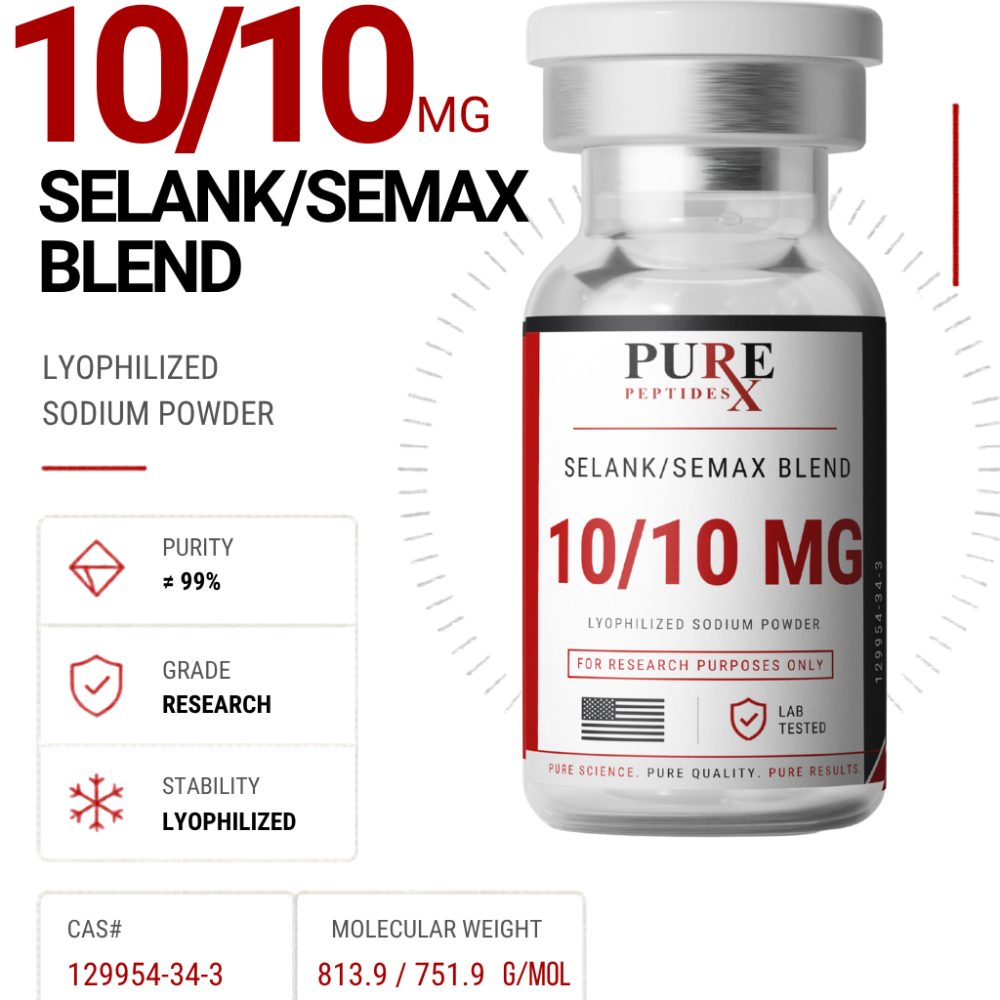
Selank Semax Blend 10mg/10mg
$45.00Selank Semax Blend brings two neuropeptide profiles together for research into cognitive signaling, stress-response pathways, and neuroregulatory balance.
This blend is positioned for models exploring calm focus, brain-cell communication, and adaptive response under controlled conditions. Smooth, sharp, and neurologically balanced.
Clarity and composure in one neuro-focused research blend.
In stock

Melanotan-2 10mg
$30.00Melanotan-2 is a melanocortin receptor peptide studied in pigmentation, receptor-response, and broader melanocortin pathway research.
Its research profile is often compared with other melanocortin compounds to evaluate receptor behavior, signaling strength, and pathway selectivity. Bold biology with a distinct receptor focus.
Melanocortin research with a sharper signal.
In stock

Lipo-C 10mg
$45.00Lipo-C is a research blend positioned around lipid metabolism, cellular energy handling, and metabolic-support pathway studies.
It is commonly used in research models examining how nutrient-related compounds interact with fat-processing and energy-regulation systems. Clean, practical, and built for metabolic research workflows.
A streamlined blend for lipid and energy pathway exploration.
In stock
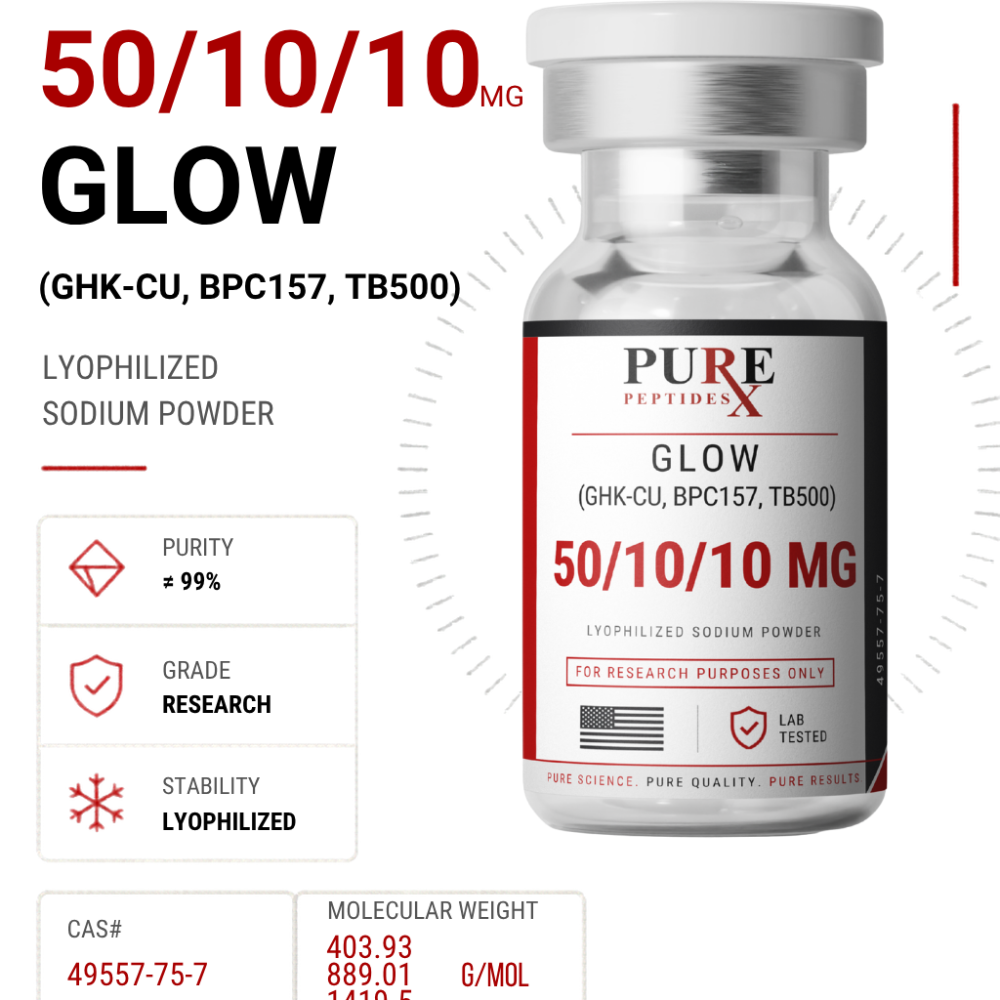
GLOW Blend 70MG
$133.00GLOW Blend is positioned for research centered on skin, tissue appearance pathways, oxidative balance, and cellular renewal signaling.
This blend is designed for labs exploring how multiple compounds may interact across structural support, repair, and cosmetic-research-related models. Polished, modern, and built for visual-quality pathway studies.
A refined blend for research into cellular radiance and renewal.
In stock

Cagrilintide 10mg
$65.00Cagrilintide is positioned for metabolic research involving amylin receptor activity, appetite-regulation models, and energy-balance signaling.
Researchers often pair it with studies examining satiety pathways, metabolic control, and receptor-driven response patterns. It has a clean, modern profile for advanced metabolism-focused investigation.
Precision signaling for next-level metabolic research.
In stock
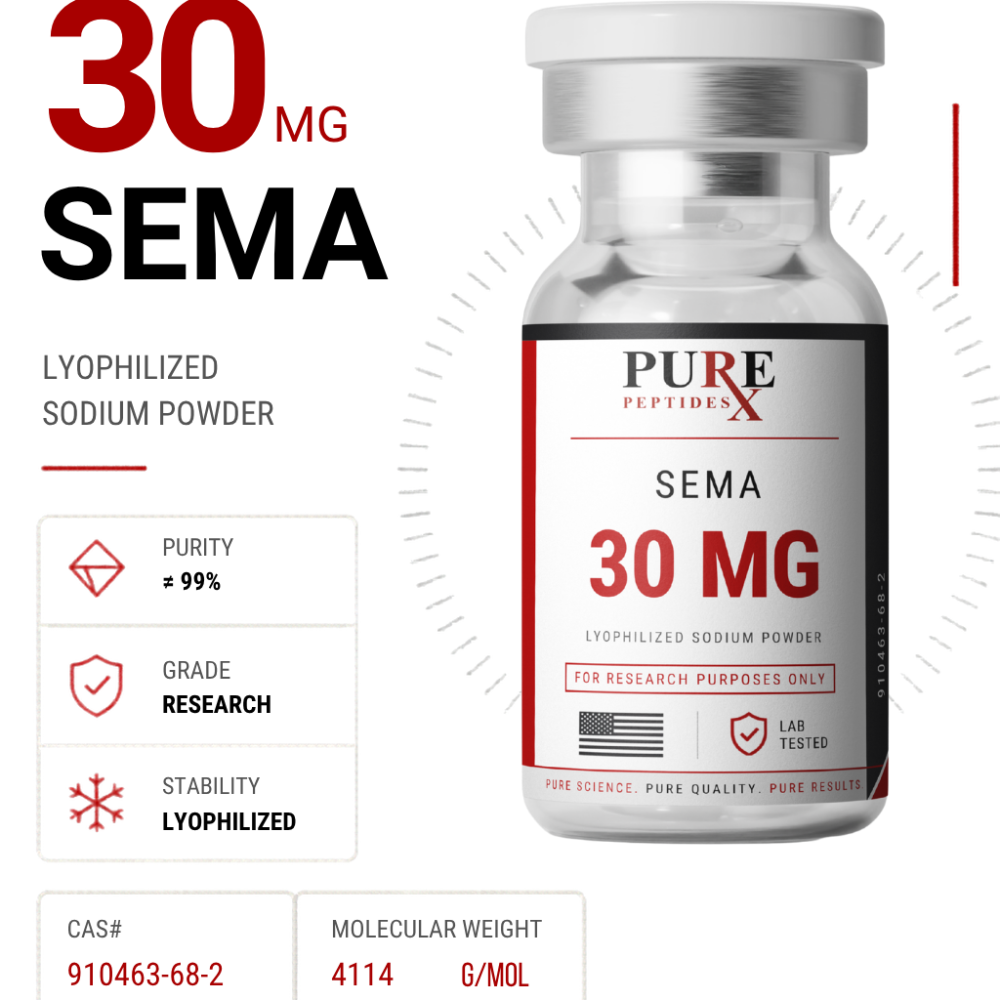
Sema 30mg
$115.00Semaglutide is a GLP-1 receptor research compound studied in metabolic signaling, appetite-regulation models, and glucose-related pathway behavior.
Its strong research presence comes from studies exploring satiety response, energy intake pathways, and incretin-based metabolic activity. Recognized, focused, and built for modern metabolic research.
GLP-1 pathway research with a proven scientific footprint.
In stock
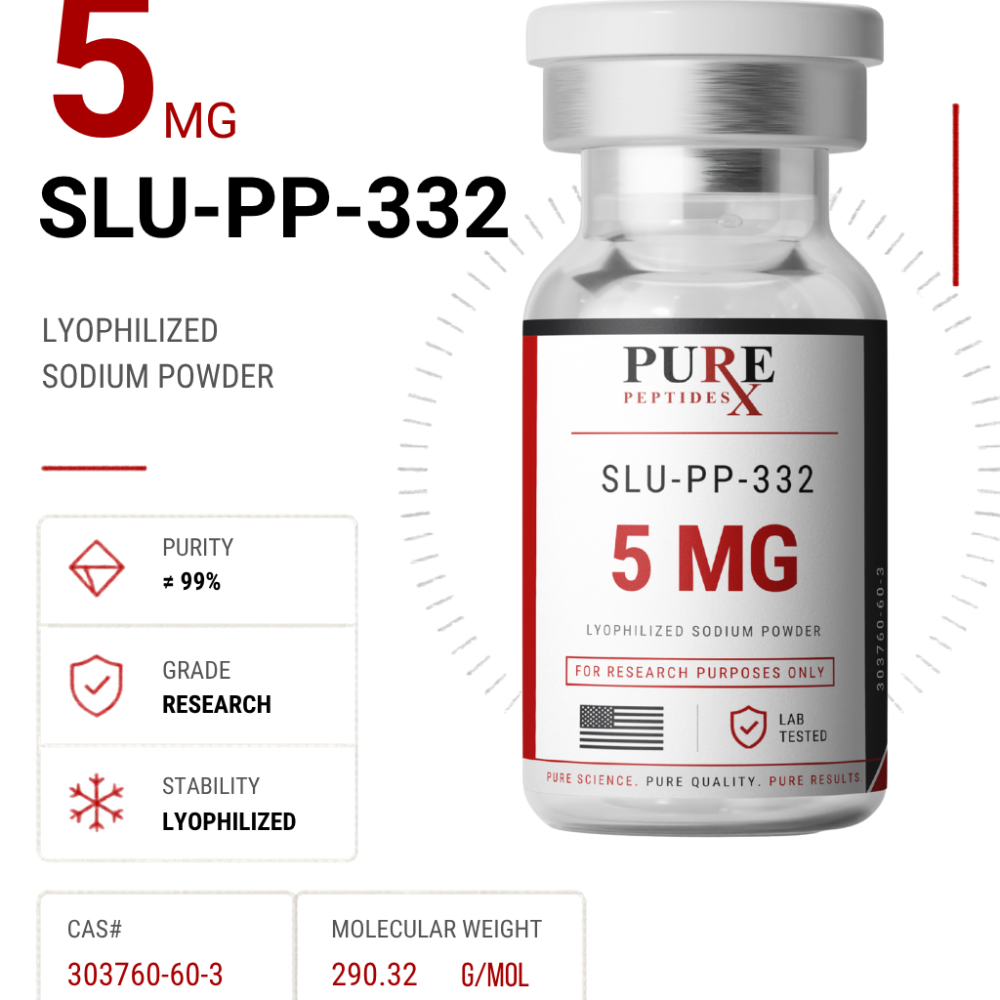
SLU-PP-332, 5mg
$51.00SLU-PP-332 is a metabolic research compound studied in exercise-mimetic pathways, energy expenditure models, and ERR receptor signaling.
It is positioned in advanced studies exploring endurance-related biology, mitochondrial activity, and metabolic output without relying on traditional stimulant frameworks. Modern, technical, and performance-oriented.
Metabolic performance research at the receptor level.
In stock

DSIP 10mg
$37.00DSIP is a sleep-pathway research peptide studied in models involving circadian signaling, stress response, and neurochemical regulation.
Its value is in how it supports research into rest-related biological rhythms without needing broad, unfocused compound activity. Quiet, precise, and centered on regulation.
Designed for research where recovery starts with rhythm.
In stock
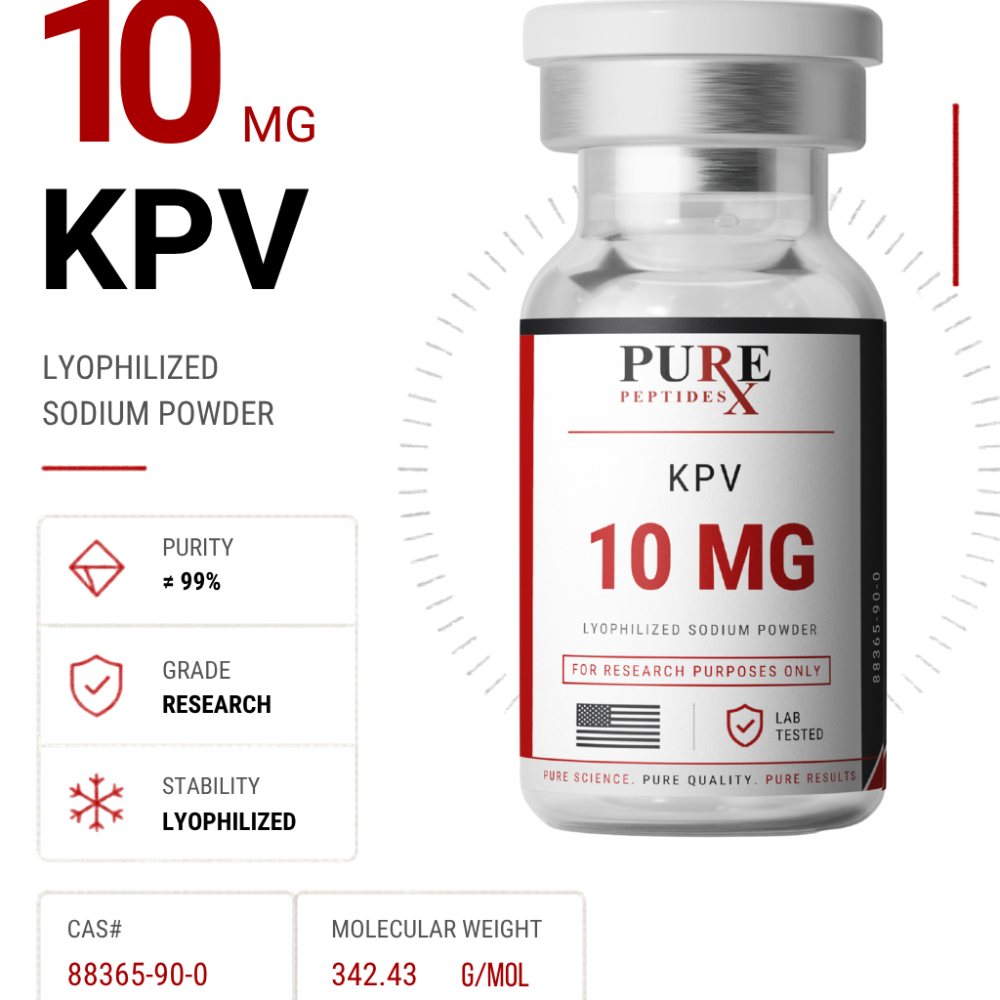
KPV 10mg
$52.00KPV is a short peptide studied in inflammatory pathway research, immune signaling models, and barrier-function-related experiments.
Its compact structure gives it a focused role in studies examining response modulation, tissue-interface behavior, and controlled cellular signaling. Small structure. Strong research identity.
Precision inflammation-pathway research in its simplest form.
In stock
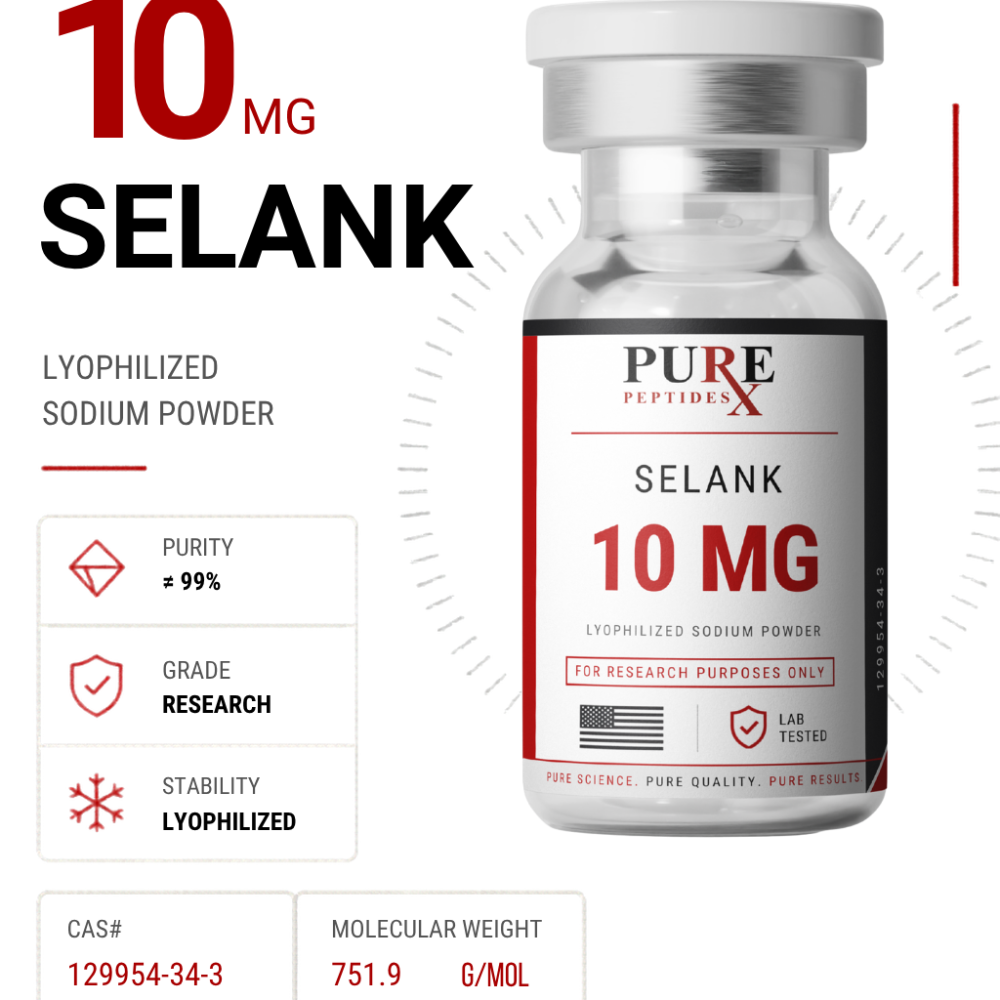
Selank 10mg
$28.00Selank is a neuropeptide studied in stress-response signaling, cognitive pathway research, and immune-neuro communication models.
Researchers often use it to explore calm-focus pathways, neurotransmitter interaction, and regulatory balance under controlled conditions. Smooth, composed, and neurologically refined.
Clarity-focused research with a regulatory edge.
In stock

CJC-1295 DAC 5mg
$32.00CJC-1295 DAC is a long-acting growth hormone pathway peptide studied for extended signaling behavior and sustained receptor engagement.
Its DAC-modified profile makes it useful in research where duration, consistency, and prolonged pathway activity matter. Controlled, extended, and engineered for time-based analysis.
Long-form signaling for advanced growth pathway research.
In stock
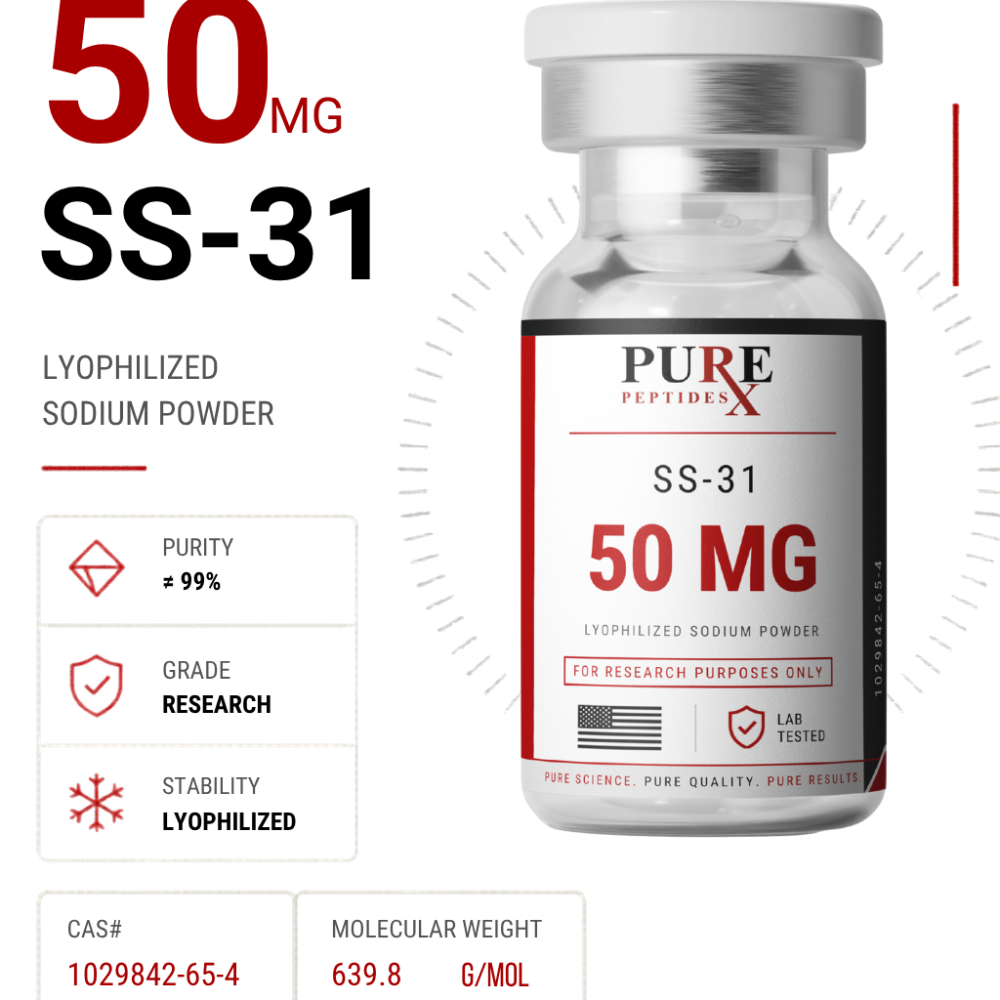
SS-31 50mg
$125.00SS-31 is a mitochondrial-targeted peptide studied in oxidative stress, cellular energy, and mitochondrial membrane research models.
Its profile is especially relevant in experiments focused on mitochondrial resilience, redox balance, and cellular stress adaptation. Precise, protective, and deeply mitochondrial.
Built for research where cellular energy meets defense.
In stock
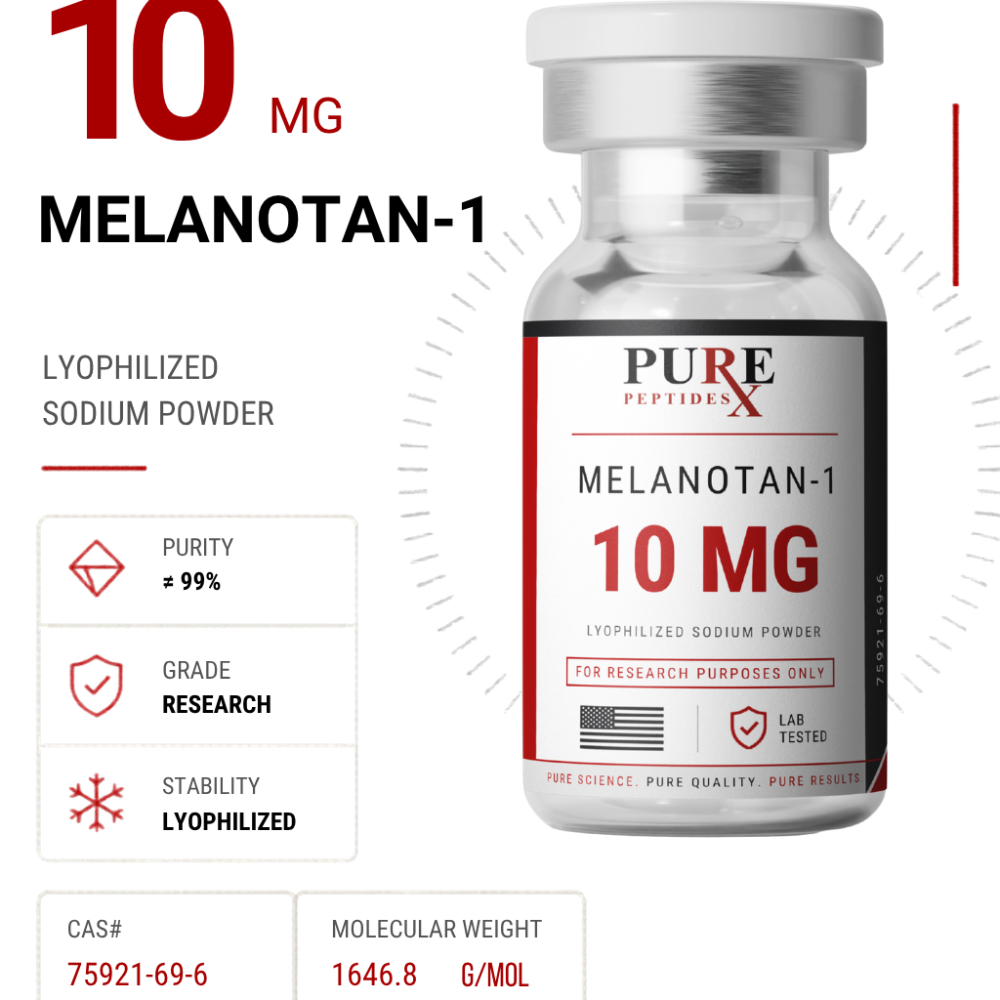
Melanotan-1 10mg
$28.00In stock

IGF1-IR3 1MG
$55.00IGF1-IR3 is an insulin-like growth factor analog studied in growth signaling, cellular development, and anabolic pathway research.
Its modified structure makes it relevant in controlled models examining receptor interaction, cell growth behavior, and pathway intensity. Powerful research positioning with a highly specialized profile.
Advanced signaling research for growth and cellular response.
In stock
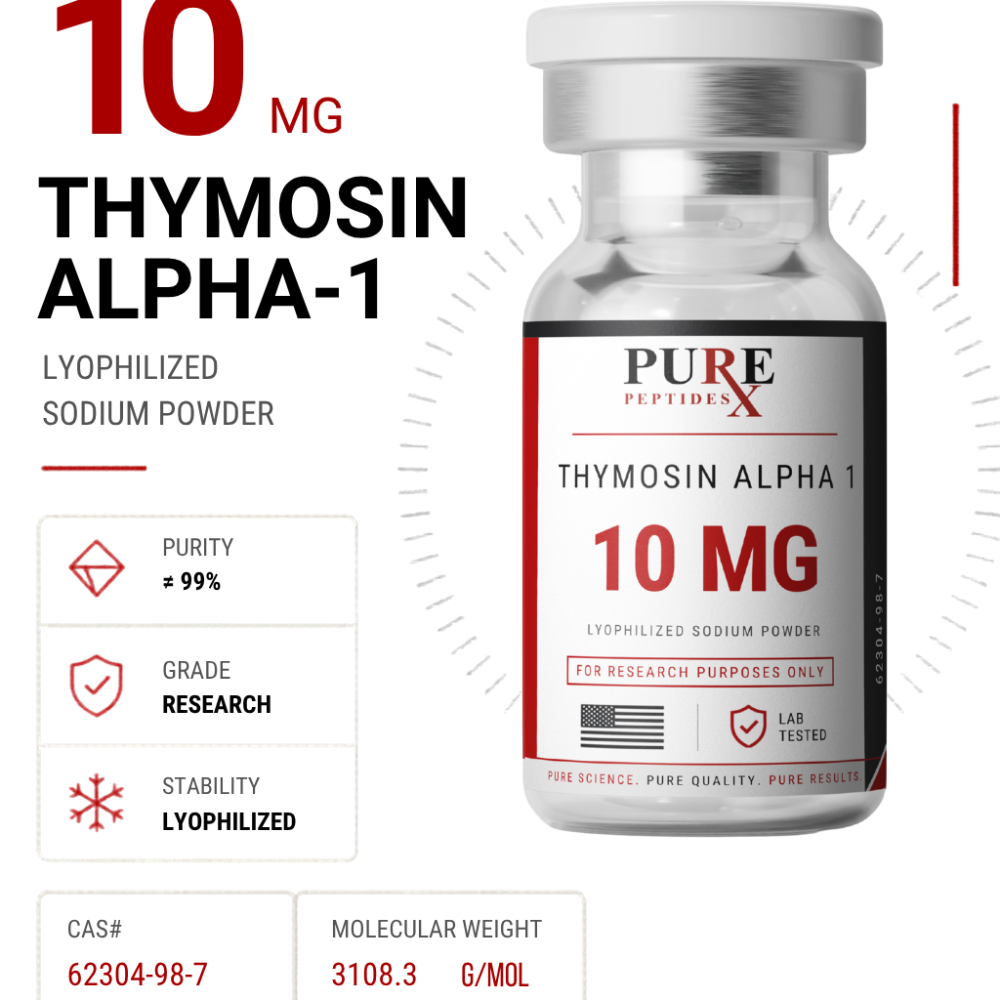
Thymosin Alpha 1 -10mg
$68.00Thymosin Alpha 1 is an immune-modulating peptide studied in T-cell response, immune signaling, and host-defense pathway research.
It is commonly used in models exploring immune balance, cellular defense behavior, and regulatory communication. Clean, established, and central to immune pathway investigation.
Immune research with a disciplined signaling profile.
In stock

Epithalon 50mg
$85.00In stock

AHK-Cu 100MG
$49.00AHK-Cu is a copper peptide studied in hair-follicle pathway research, skin biology, and tissue-remodeling models.
Its copper-binding structure makes it valuable in experiments focused on growth signaling, extracellular matrix behavior, and cellular renewal. Premium, specialized, and built for appearance-related pathway research.
Copper peptide research with a refined regenerative edge.
Out of stock
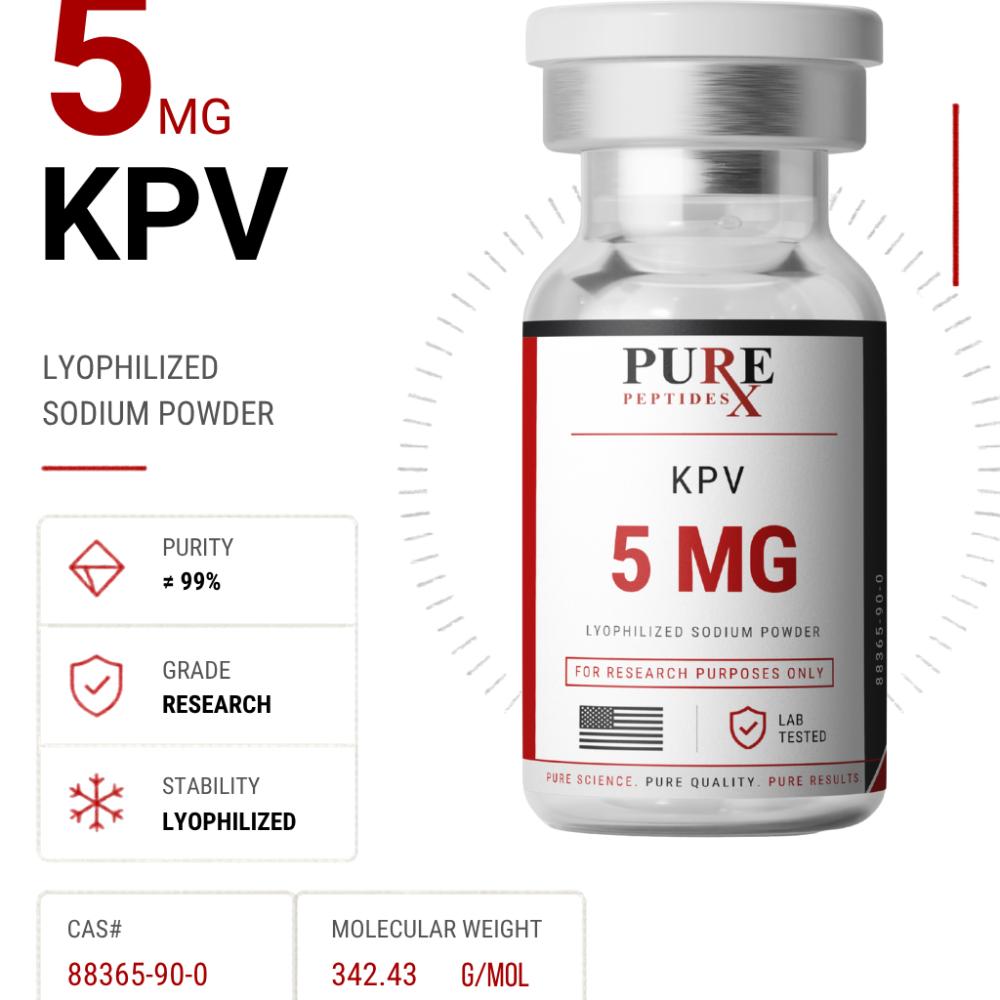
KPV 5mg
$28.00KPV is a short peptide studied in inflammatory pathway research, immune signaling models, and barrier-function-related experiments.
Its compact structure gives it a focused role in studies examining response modulation, tissue-interface behavior, and controlled cellular signaling. Small structure. Strong research identity.
Precision inflammation-pathway research in its simplest form.
In stock
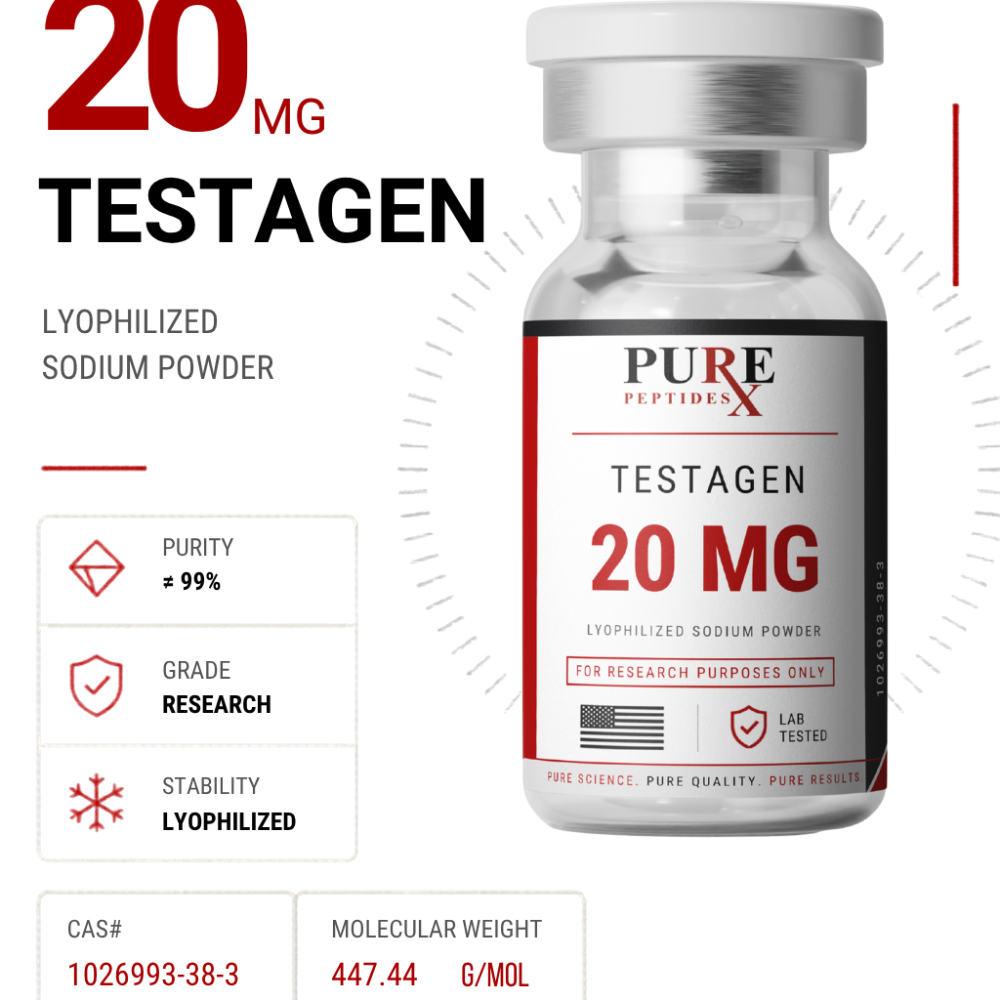
Testagen 20mg
$34.00Testagen is a short peptide studied in testicular tissue pathway research, endocrine signaling, and cellular regulation models.
It is positioned for controlled experiments examining glandular response, reproductive-system pathways, and tissue-specific peptide activity. Focused, specialized, and built for endocrine research.
Targeted peptide research for reproductive signaling pathways.
In stock
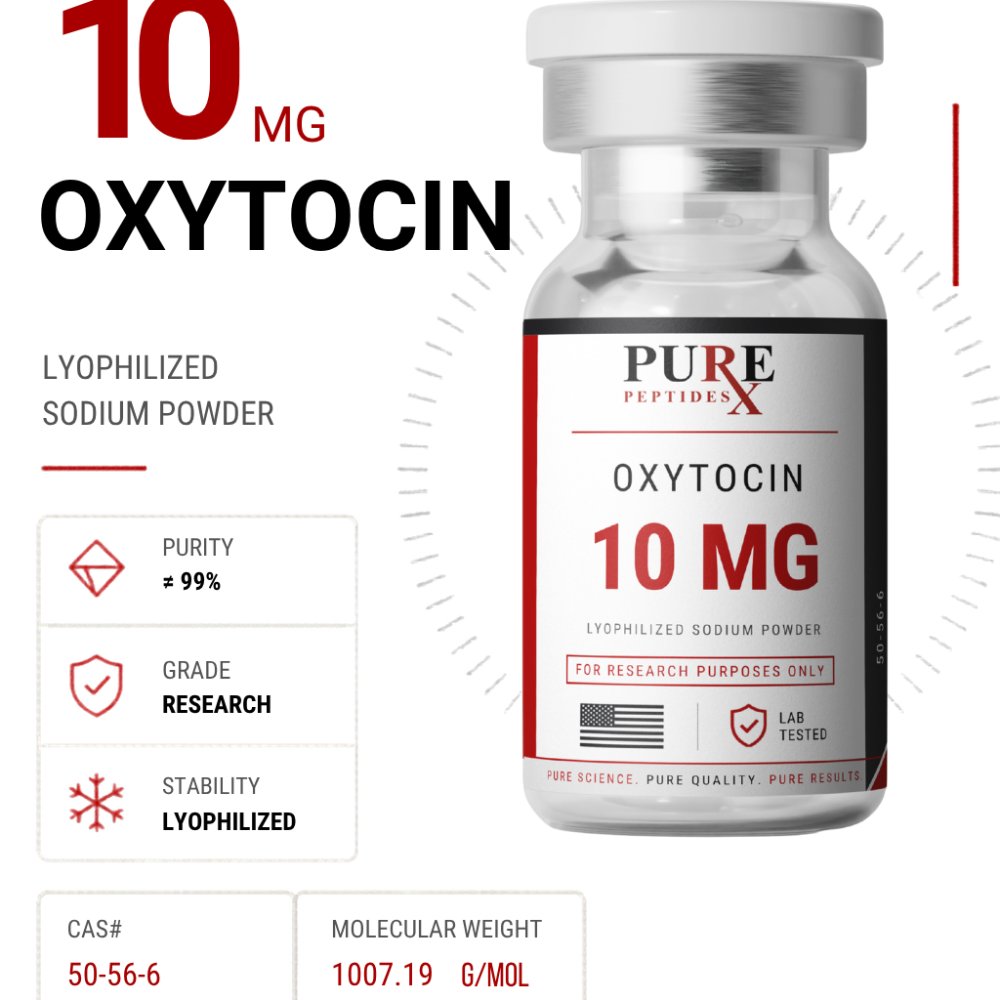
Oxytocin 10mg
$42.00Oxytocin is a neuropeptide studied in social signaling, neuroendocrine communication, and receptor-response research models.
Researchers examine it in controlled settings focused on behavioral pathways, bonding-related signaling, stress modulation, and central nervous system communication. Familiar molecule. Deep research potential.
Neuroendocrine signaling research with human-level complexity.
In stock
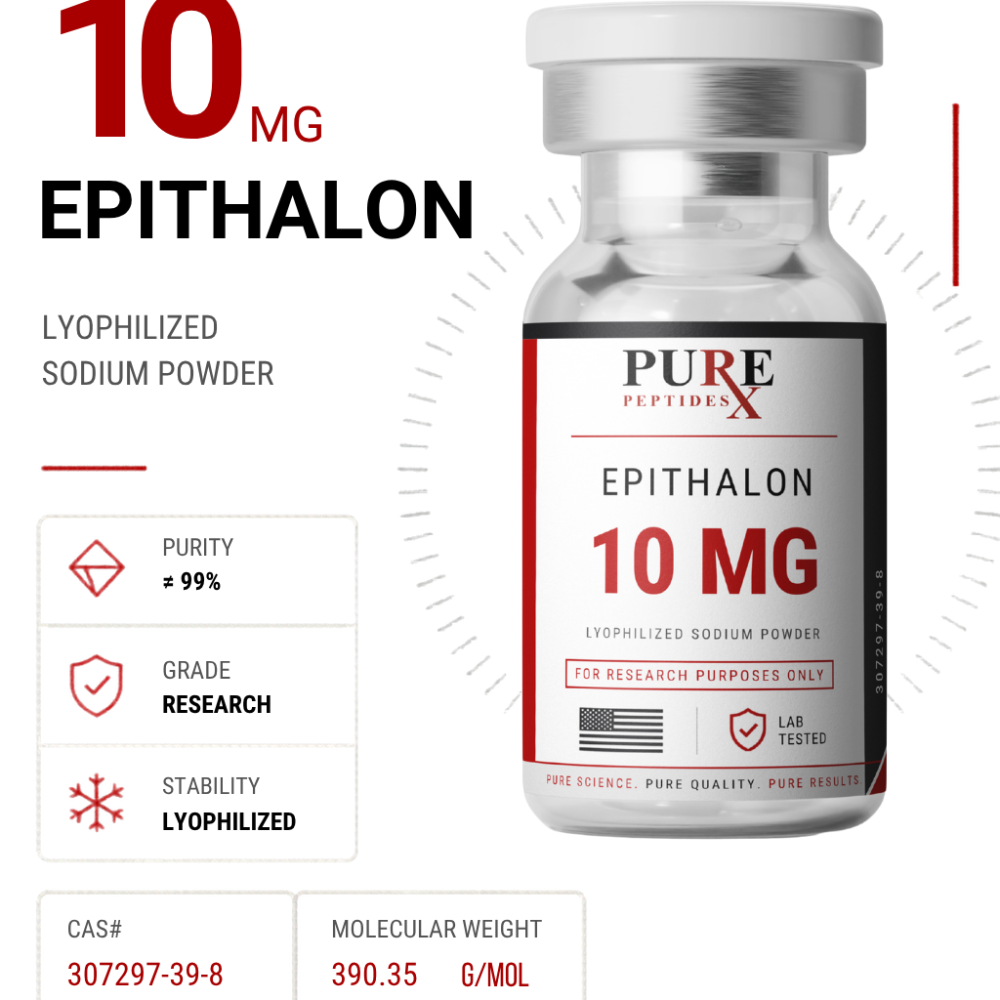
Epithalon 10mg
$24.00Epithalon is a longevity-focused peptide studied in cellular aging, telomere-related research, and regulatory pathway models.
It is often placed in experiments exploring cellular renewal, long-term function, and age-associated biological signaling. Elegant, clean, and built around the science of cellular time.
Longevity research with a refined molecular focus.
In stock
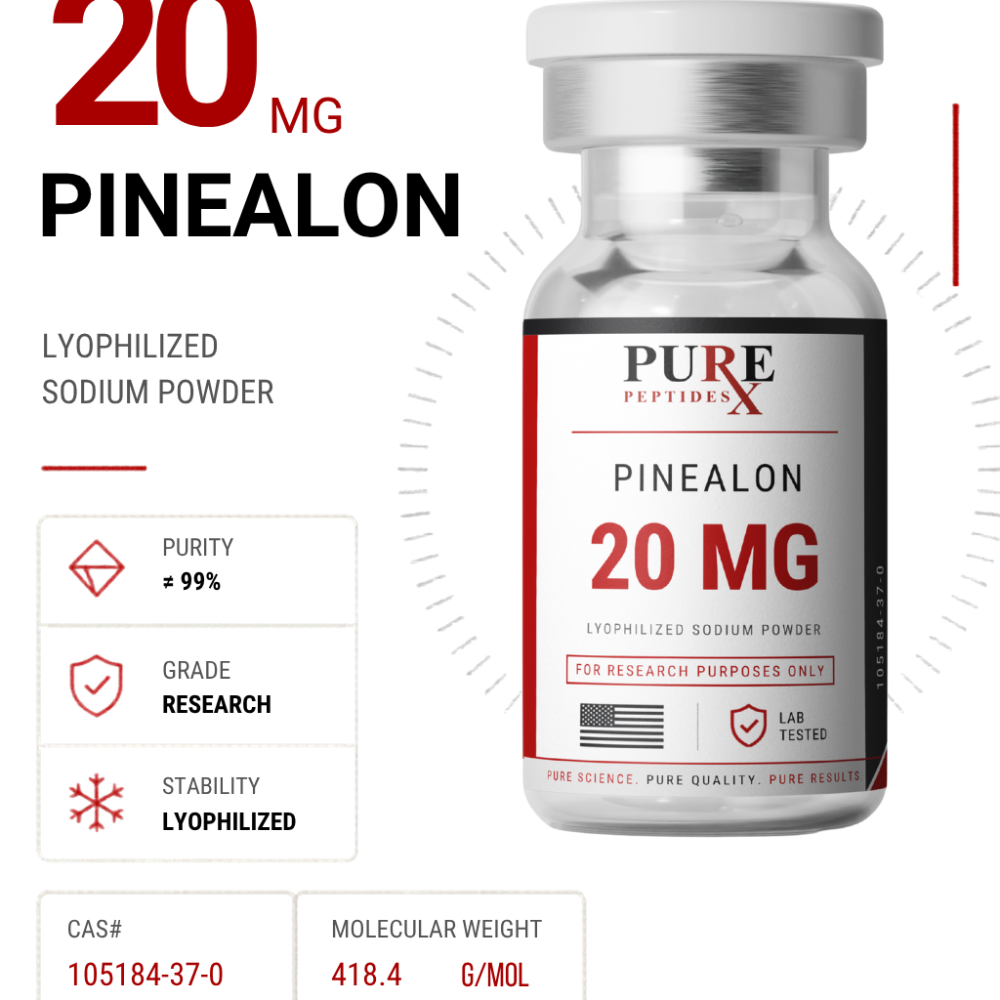
Pinealon 20mg
$32.00Pinealon is a short peptide studied in neuroprotective, pineal-related, and cellular aging research models.
Its research profile is tied to brain-cell regulation, oxidative response, and age-associated signaling pathways. Compact in structure, broad in research relevance.
Focused neuro research with a longevity lens.
In stock
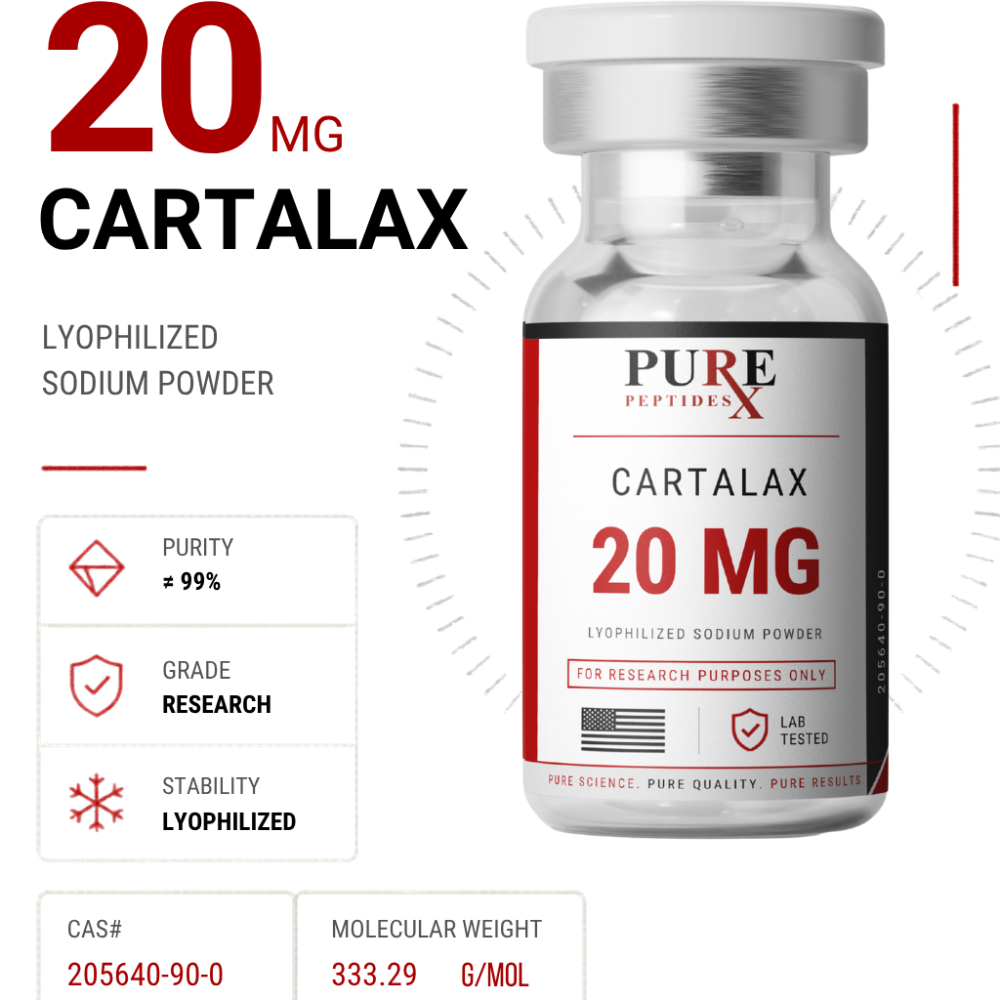
Cartalax 20mg
$45.00Cartalax is a peptide research compound associated with cartilage, connective tissue, and joint-related cellular signaling studies.
It is typically positioned in experiments where researchers are exploring structural tissue maintenance, extracellular matrix behavior, and cartilage-response pathways. Clean research utility with a tissue-focused purpose.
Built for structural support pathway research.
Out of stock
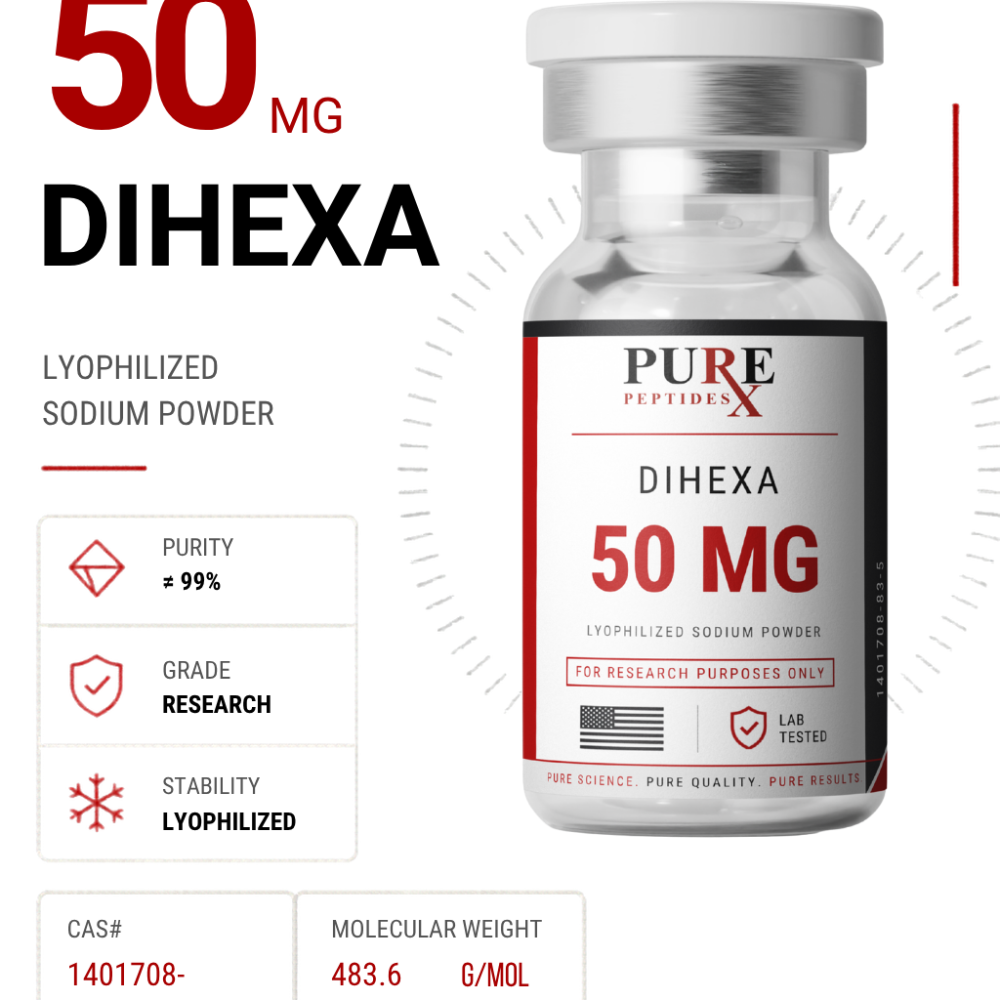
Dihexa 50MG
$83.00Dihexa is a high-interest research compound positioned in cognitive, synaptic, and neuroplasticity-focused studies.
Researchers often examine it in models involving neuronal signaling, synapse formation, and learning-related pathway behavior. It carries a bold profile for labs studying the architecture of cognition.
Built for research at the edge of neural connection and clarity.
In stock
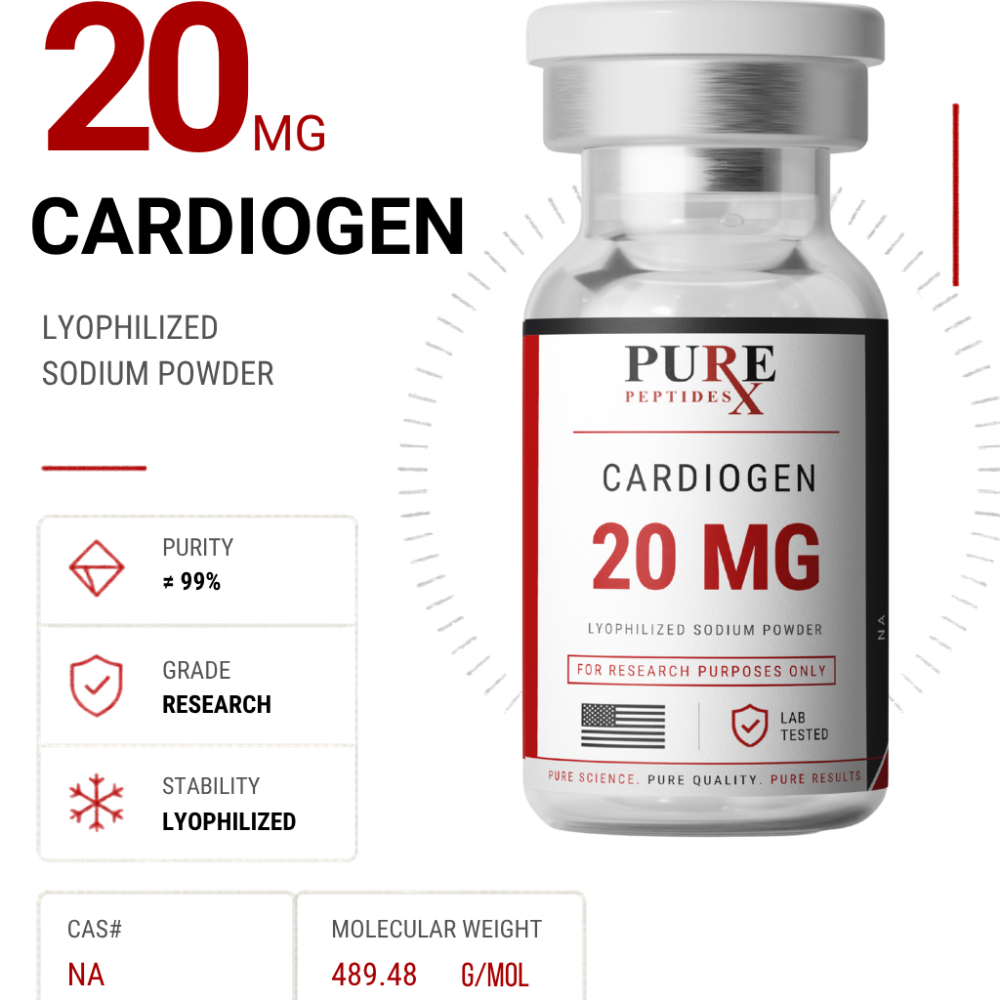
Cardiogen 20mg
$37.00Cardiogen is a short peptide studied in cardiovascular pathway research, especially models focused on cardiac tissue signaling and cellular regulation.
Its research appeal comes from its narrow, targeted structure and its connection to heart-related cellular response studies. Compact, specific, and built for cardiovascular research environments.
Focused peptide research for cardiac pathway exploration.
In stock
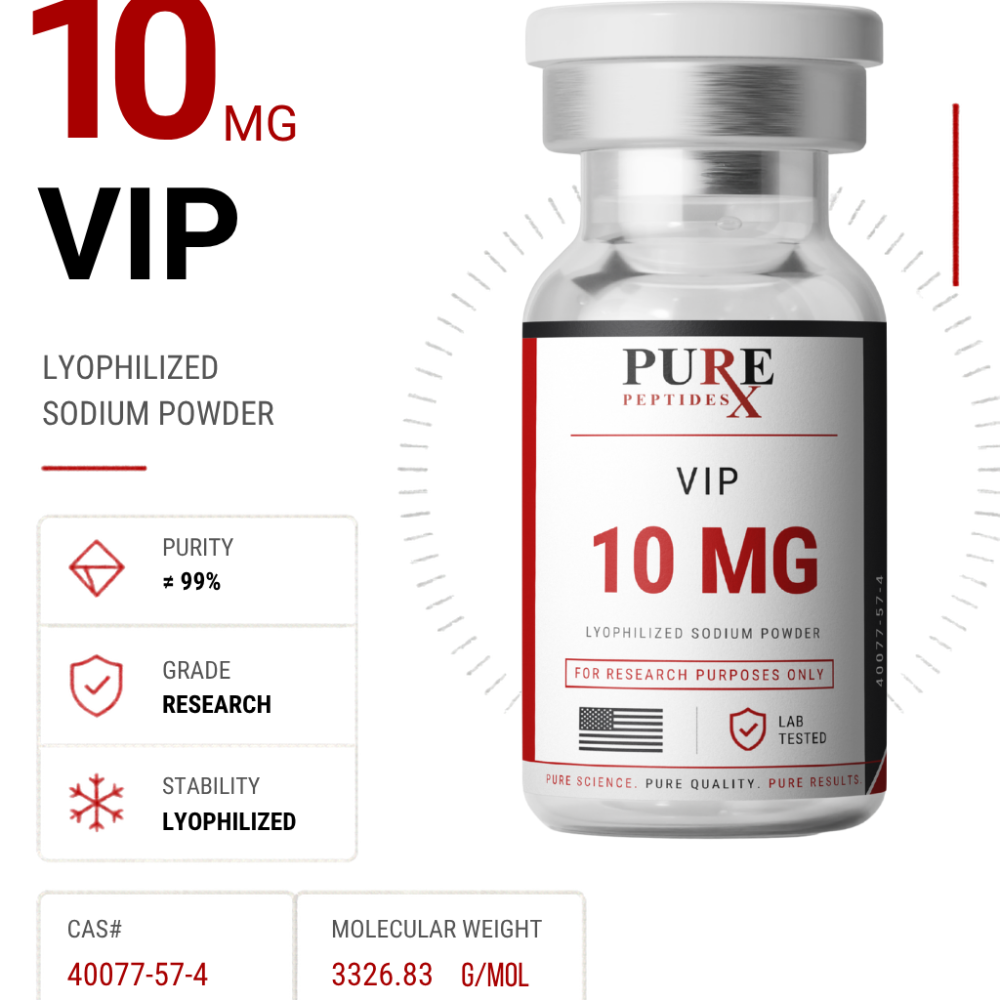
Vip 10mg
$60.00VIP is a neuroimmune peptide studied in inflammatory signaling, vascular response, and immune-neural communication models.
Researchers often examine it in studies involving smooth-muscle signaling, cytokine-related pathways, and regulatory balance across multiple systems. Versatile, sophisticated, and biologically connected.
Neuroimmune pathway research with wide-system relevance.
In stock

LL-37 5mg
$49.00LL-37 is an antimicrobial peptide studied in innate immune response, host-defense signaling, and barrier-protection research models.
Its research profile is often tied to microbial interaction, inflammatory response, and epithelial defense pathway behavior. Direct, defensive, and biologically purposeful.
Innate defense research with a focused peptide signal.
In stock
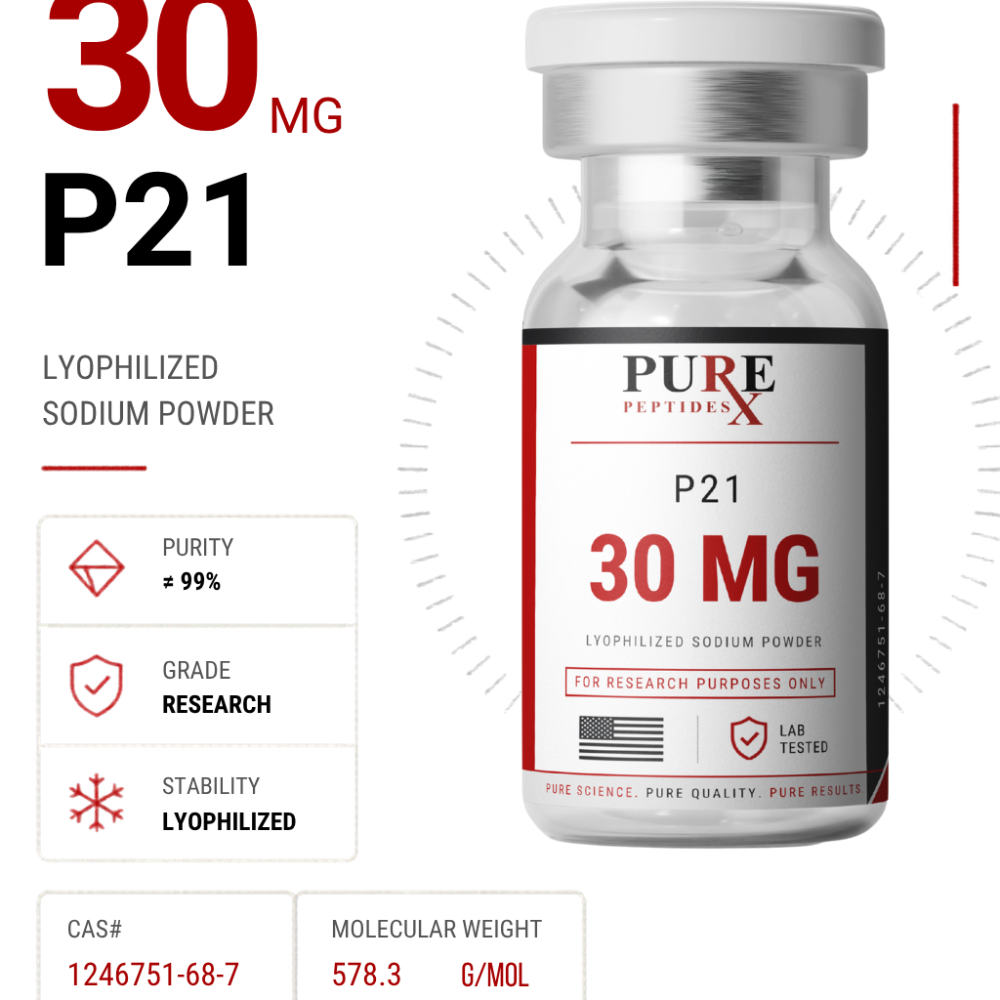
P21 30MG
$55.00P21 is a neuro-focused research peptide studied in cognitive pathway models, neuronal signaling, and synaptic plasticity research.
It is often positioned in experiments exploring memory-related pathways, neurotrophic response, and brain-cell communication. Advanced, specialized, and built for cognition-centered research.
Designed for deeper study of neural performance pathways.
In stock
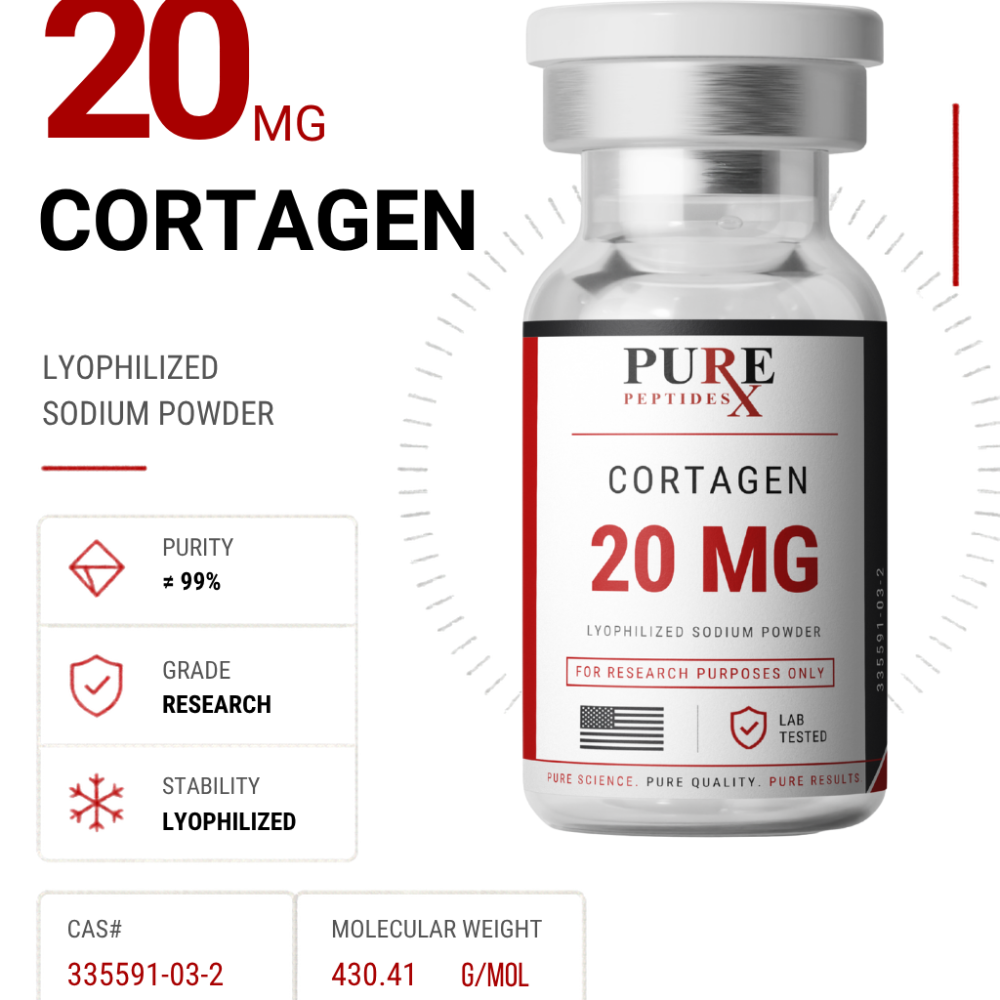
Cortagen 20mg
$31.00Cortagen is a short peptide studied in neuroendocrine and adrenal-related pathway research, with emphasis on cellular regulation and stress-response signaling.
It fits research models examining how targeted peptide structures may influence glandular pathway behavior under controlled conditions. Minimalist in structure, specific in purpose.
Focused research for regulatory pathway exploration.
In stock
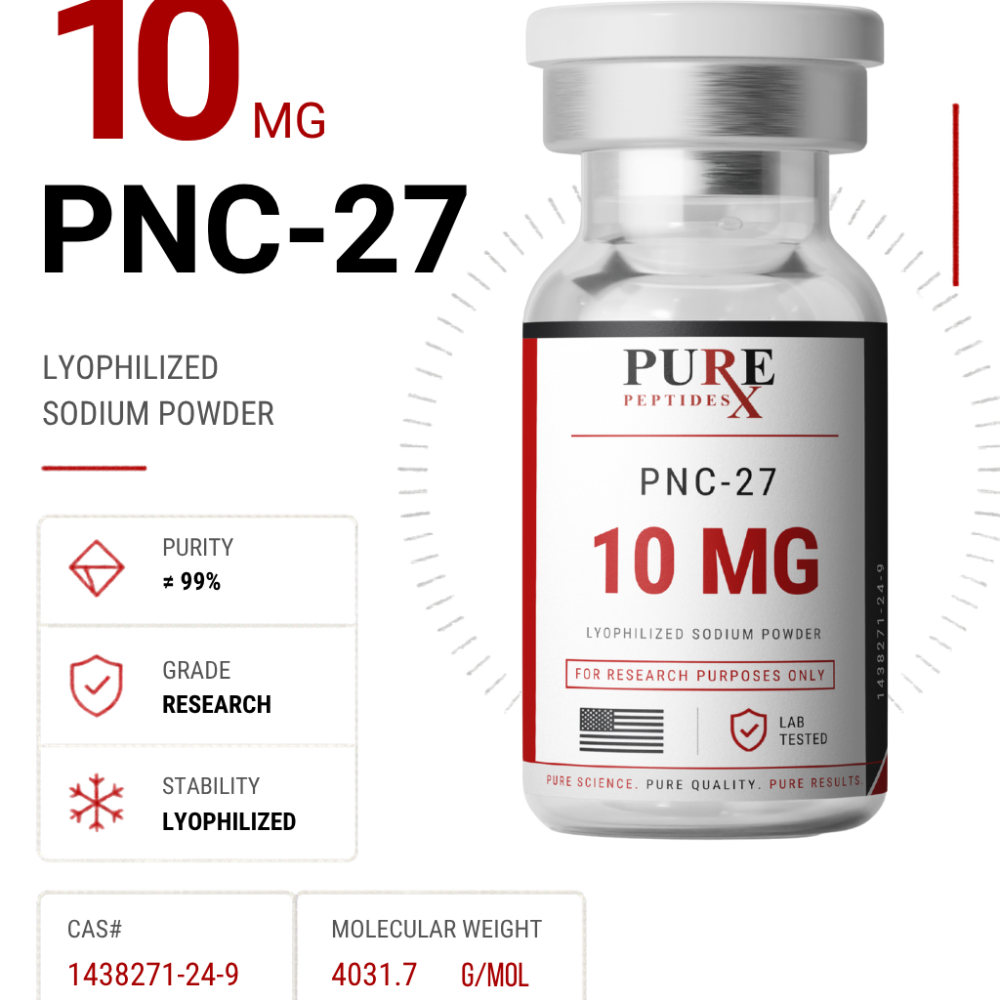
PNC-27 10mg
$65.00PNC-27 is a research peptide studied in cellular viability, membrane interaction, and cancer-biology-related pathway models.
It is typically examined in highly controlled experiments focused on abnormal cell behavior, structural interaction, and pathway-specific response. Specialized, serious, and built for advanced cellular research.
High-focus peptide research for complex cell signaling studies.
In stock
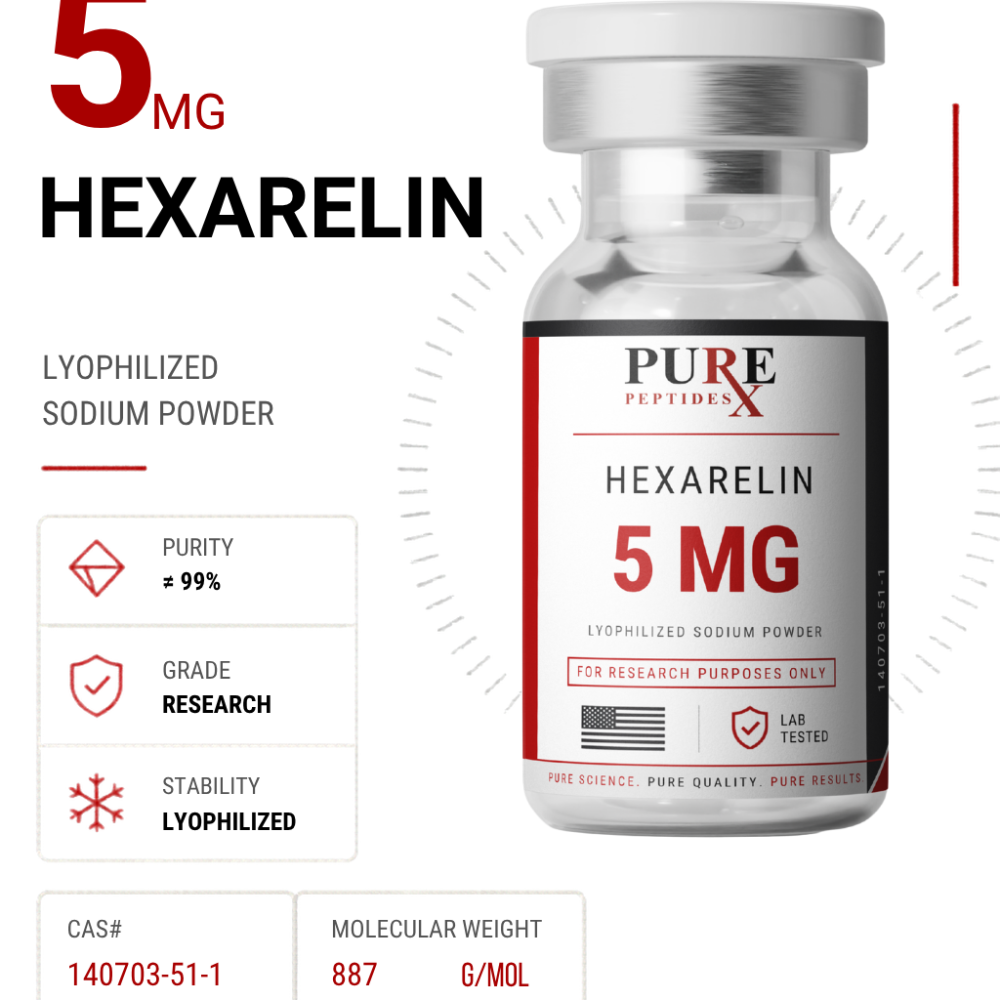
Hexarelin 5mg
$44.00Hexarelin is a growth hormone secretagogue research peptide studied for receptor activity, release patterns, and endocrine signaling behavior.
It is often used in models comparing secretagogue strength, pathway responsiveness, and growth-hormone-axis interaction. Potent in profile, precise in research purpose.
Built for bold growth pathway investigation.
In stock
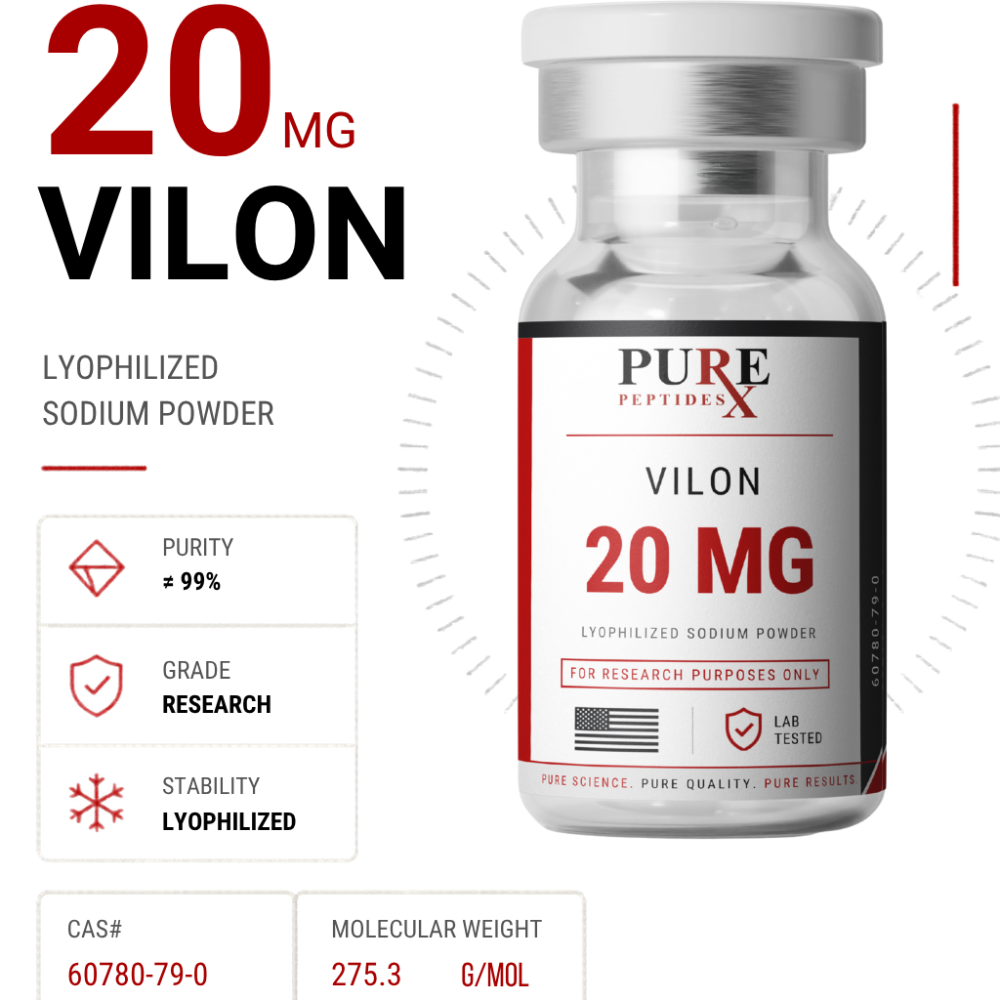
Vilon 20mg
$56.00Vilon is a short peptide studied in cellular regulation, immune-related signaling, and tissue homeostasis research models.
Its compact structure gives researchers a focused tool for examining regulatory pathway behavior and peptide-driven cellular communication. Simple in form, refined in research purpose.
Minimalist peptide research with regulatory depth.
In stock
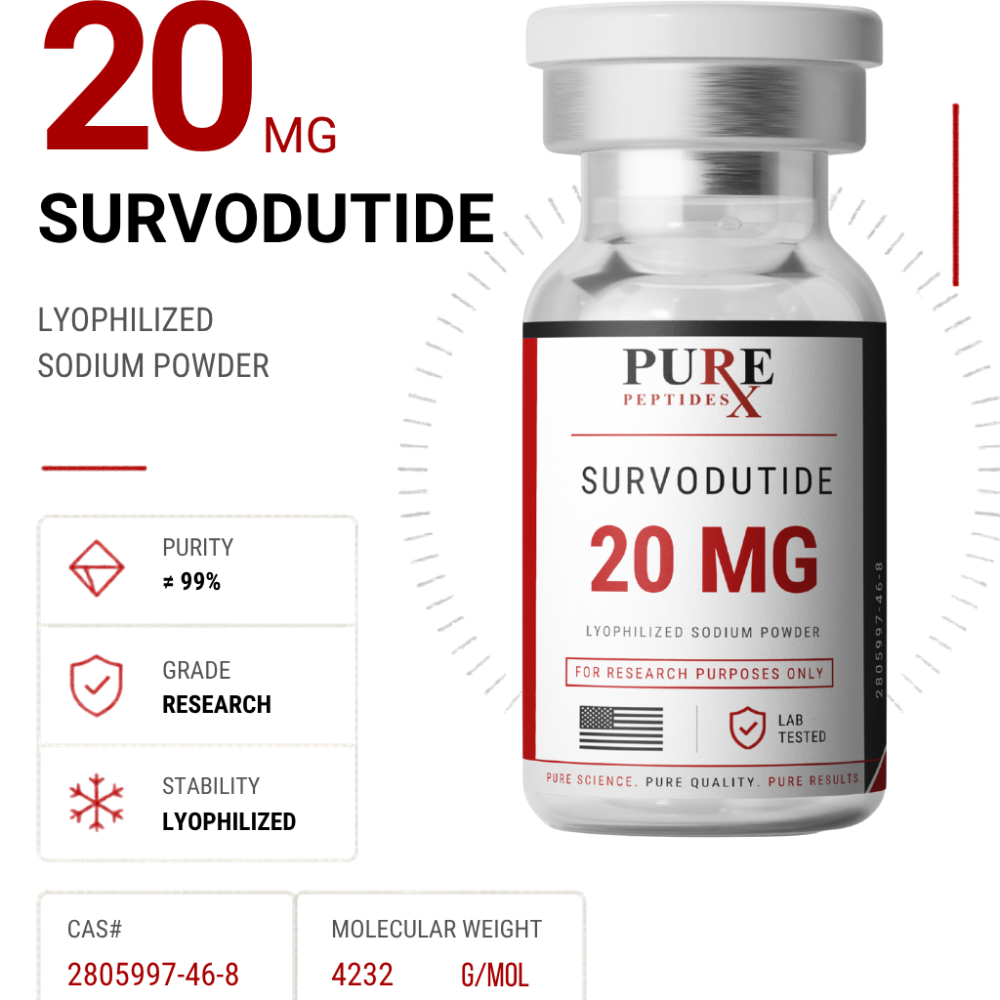
Survodutide 20MG
$95.00Survodutide is a dual-pathway metabolic research compound studied in GLP-1 and glucagon receptor signaling models.
It is often positioned in research examining appetite pathways, liver-related metabolic response, energy balance, and glucose regulation. Advanced, efficient, and built for metabolic comparison studies.
Dual-signal research for complex metabolic pathway analysis.
In stock

Mazdutide 10mg
$84.00Mazdutide is a metabolic research compound studied in dual incretin pathway models involving GLP-1 and glucagon receptor signaling.
It fits advanced research exploring energy balance, metabolic flexibility, appetite signaling, and glucose-related pathway behavior. Modern metabolic science with a dual-signal framework.
Built for research where metabolic control meets pathway precision.
In stock
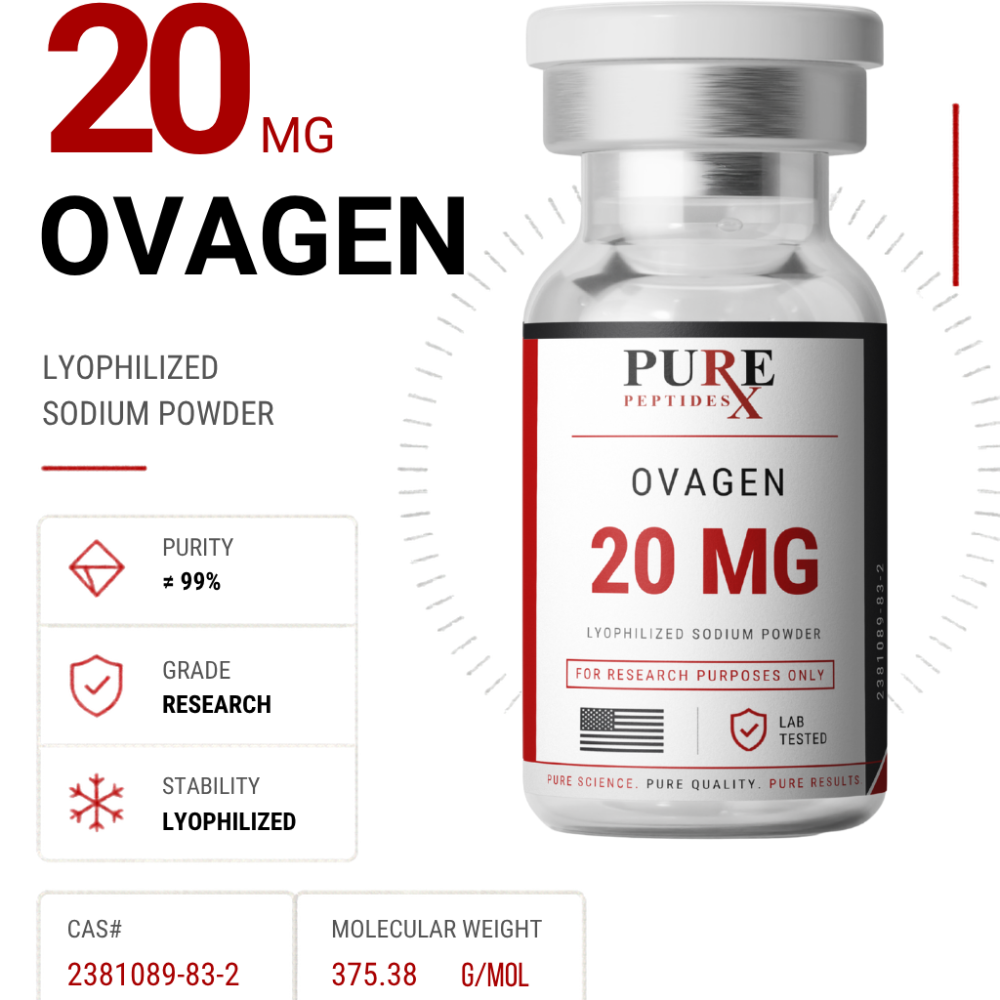
Ovagen 20MG
$48.00Ovagen is a short peptide studied in ovarian tissue pathway research, cellular regulation, and reproductive-system-related signaling models.
Its focused peptide structure makes it useful in controlled studies examining glandular pathway behavior and tissue-specific response patterns. Specialized, direct, and research-driven.
Targeted peptide research for reproductive pathway exploration.
In stock
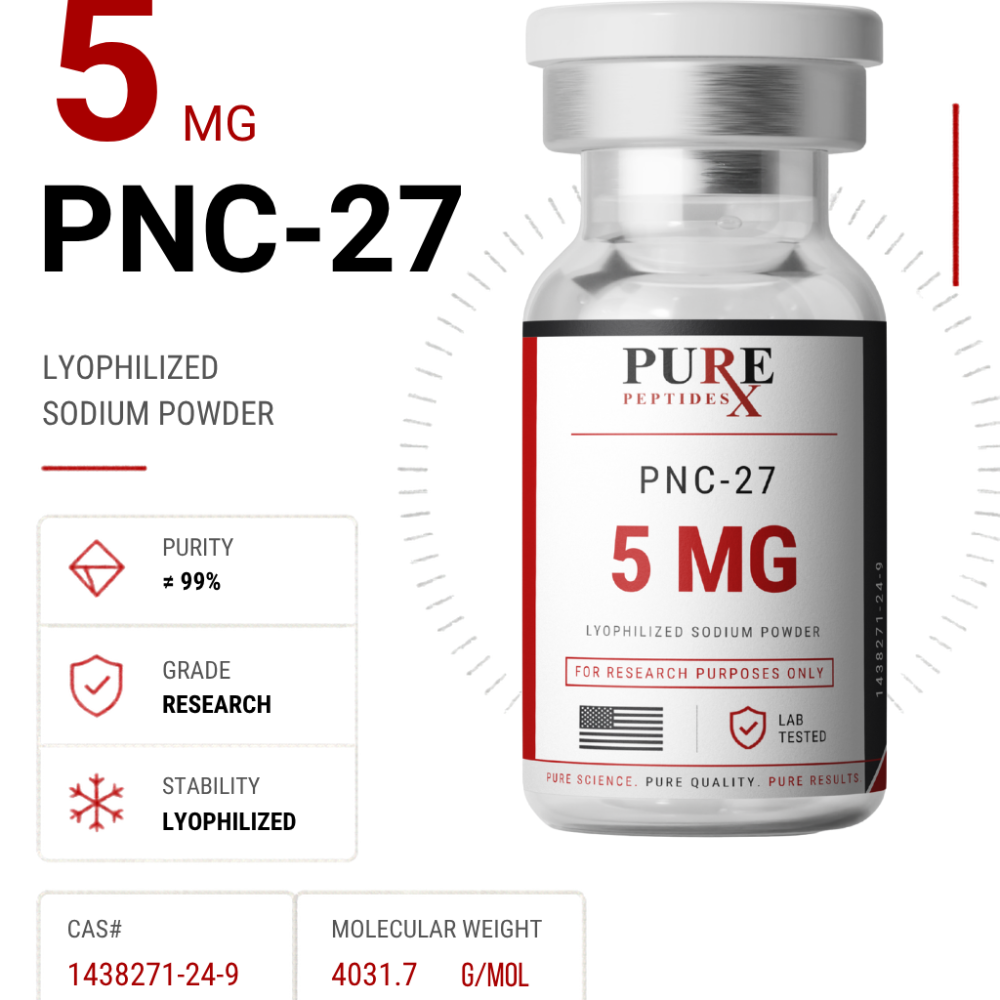
PNC-27 5mg
$50.00PNC-27 is a research peptide studied in cellular viability, membrane interaction, and cancer-biology-related pathway models.
It is typically examined in highly controlled experiments focused on abnormal cell behavior, structural interaction, and pathway-specific response. Specialized, serious, and built for advanced cellular research.
High-focus peptide research for complex cell signaling studies.
Product categories
- Research Peptides (62)